

President Trump’s decision to elevate Stephen Miller after Republicans lost Congress signals the White House is doubling down on an immigration crackdown that split the party and the country.
Story Snapshot
- Trump promoted Stephen Miller to chief of staff days after GOP midterm losses.
- Reports tie Miller to an arrest target of 3,000 per day and broad deportation sweeps.
- Crackdown energized supporters but alienated many voters, sharpening GOP rifts.
- Hardliners say enforcement actually eased too much, urging even tougher action.
What Changed: Miller’s New Power After the Midterms
The White House confirmed Stephen Miller as the new chief of staff days after Republicans lost control of Congress in the 2026 midterms, giving him a broader policy role inside President Trump’s operation. Reuters and other outlets describe Miller as the driving force behind the administration’s immigration enforcement push before the vote, linking his promotion to a plan to continue that approach even after the electoral setback. The move places a polarizing strategist at the center of policy during a volatile period.
Administration allies presented the choice as a vote for border security and continuity. Supporters credit Miller with tough measures they say reduced crime and drug trafficking and disrupted cartels, framing him as essential to public safety. Critics inside the party warned that the approach backfired with swing voters and communities far from the border. Both sides agree the stakes are high, and the decision signals the White House is not backing away from its pre-election strategy.
The Enforcement Playbook: Scope, Speed, and Blowback
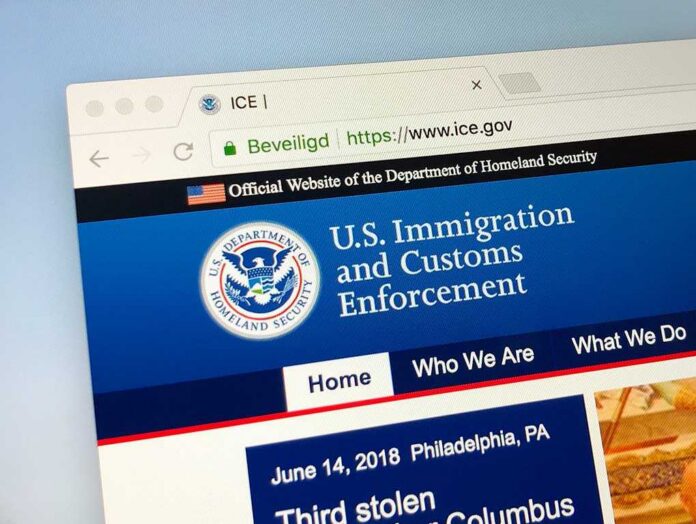
Reuters reported that Miller urged immigration officers to arrest about 3,000 people each day and to target anyone in the country illegally, not only people with criminal records. Coverage after the vote described sweeps that reached people with no criminal history and those with ongoing cases, fueling fear and deep resentment in some neighborhoods. The same reporting said the push rallied President Trump’s base while alienating many other voters, highlighting a political tradeoff that both parties now weigh.
Trump himself briefly opened the door to a softer line right after the election, saying in a television interview that deportations “might be too tough” and raising the idea of a deal for long-time residents, before moving back to a hard stance after conservative blowback. That quick pivot shows the cross-pressure leaders face. Many conservatives want visible, rapid enforcement. Many moderates, independents, and immigrant families say mass sweeps feel unfair and out of line with American values. The split is now a defining fight inside the Republican Party.
Why Both Sides Feel Betrayed: The Deeper Political Divide
Conservatives over 40 blame years of weak border control, rising costs, and what they see as elite indifference. They view strong enforcement as basic fairness and the rule of law. Liberals over 40 fear family separations, profiling, and heavy government force used on people without criminal records. Both groups share a larger worry: a federal system that seems more focused on power than solutions. The Miller promotion became a symbol of that fear for many voters on both sides.
Hardline critics offered a direct counter-story for the midterm losses. Former Border Patrol leader Greg Bovino argued the administration pulled back after a high-profile Minnesota operation, trading visible raids for a quieter approach that deflated core supporters. He called the withdrawal a “surrender” and urged more deportations, claiming enforcement had fallen to a “virtual standstill”. That claim clashes with reports tying Miller to aggressive tactics, showing how unsettled the narrative remains inside the party.
What We Know, What We Do Not
The record supports several facts. Trump promoted Miller after the midterms. Major outlets link Miller to a broad interior enforcement plan, including an arrest goal and wider targets. Reporting says the crackdown energized some voters and alienated others. What remains uncertain is scale and causation. Public sources do not provide detailed arrest dashboards, internal memos, or voter-level data that isolate immigration policy as the cause of the GOP’s losses. That limits firm conclusions about exactly why voters shifted.
What It Means for Families, Cities, and 2028
Local police, schools, and hospitals feel the shock when raids surge. Families miss work and avoid public services. Employers in agriculture, construction, and food service struggle to plan for labor needs. City budgets tighten as trust drops and complaints rise. At the same time, border communities and neighborhoods hit by fentanyl and gang violence want order and relief. With Miller in charge, the White House is signaling more speed, not less, while party leaders argue over what voters will accept next.
Sources:
youtube.com, whitehouse.gov, reuters.com, apnews.com
© boldfrontnews.com 2026. All rights reserved.