
With days to go before the midterms, campaigns are paying influencers to sway voters while disclosure rules leave many posts looking like “authentic” opinions rather than paid politics.
Story Snapshot
- Campaigns now fund creator content, but most posts do not have to disclose payments.
- A large experiment showed creators can shift views, but not clear turnout gains.
- Major digital ad tests found small or zero average effects on votes and turnout.
- Both parties court influencers as a cheaper, faster way to reach younger voters.
What campaigns are doing with creators right now
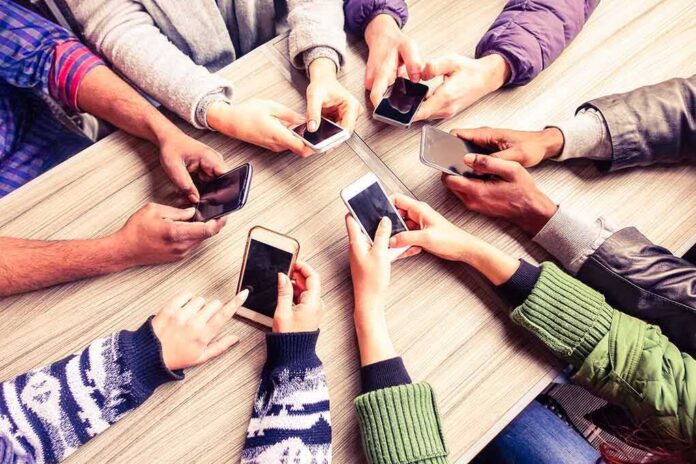
Campaigns and political groups are hiring social media creators to reach voters on TikTok, Instagram, YouTube, and podcasts. After 2024, both national party committees invited creators to their conventions, signaling this is now a normalized tool on both sides. Creators can talk in a casual tone that feels like a friend, which campaigns believe builds trust. This is cheaper and faster than television. It also targets people who skip ads and do not watch cable news.
Regulators treat political influencer posts differently than shoe or soda ads. Federal commercial rules require “ad” labels, but there is no general federal rule that forces disclosure for paid political posts by influencers. As a result, a paid pitch for a candidate can look like a personal view. News reports describe a regulatory gap across platforms, with few bright lines and weak enforcement. Legal researchers warn that money routed through agencies can also mask who actually paid for a post.
What the best evidence says about influence and votes
A preregistered field experiment during the 2024 cycle encouraged Americans aged 18 to 45 to follow progressive creators. The study found followers moved toward Democratic views, but it did not show a clear rise in political participation, the step that matters most for winning elections. That lines up with a broader pattern in political science: changing minds and turning out new voters is hard once people pick sides.
Large-scale tests of digital outreach underline those limits. A randomized experiment in Florida during the 2018 midterms flooded Facebook and Instagram with political ads but found very small effects on vote share at the precinct level. A campaign-wide program in 2020 that reached two million persuadable voters reported no average turnout change across eight months of social media ads. Separate trials found no effect on voter registration, except in narrow cases where message, audience, and timing aligned.
Why this matters to trust in elections and to the “deep state” worry
Many readers across the spectrum feel that powerful players tilt the rules. The influencer boom adds to those fears because political money can now blend into content that looks organic. When posts do not flag payments, people cannot judge the speaker’s stake. That lack of sunlight feeds a sense that insiders write loopholes to help themselves, not voters. The facts here are straightforward: political influencer posts often do not have to say they are paid, and tracking the money is hard.
The Federal Trade Commission’s Endorsement Guides say material ties should be disclosed when they would matter to consumers. But those guides focus on commerce, not politics, and are not a direct fix for this space. That leaves a policy gray zone. Voters are told to “do their own research,” yet the system withholds basic context that would help them do that. Both parties exploit the same gap, because it works and it is legal today.
Bottom line for the 2026 midterms
Influencers can move opinions and boost engagement measurable in likes, shares, and follows. That is why campaigns keep spending here. But the strongest public experiments show small or null average effects on actual votes and turnout, which decide races. That means creators may matter most on the margins: in very close districts, with messages that precisely fit the audience, or when they shape the press narrative that then reaches far more people.
Russia’s Storm-1516 is targeting Democratic Senate candidates with fabricated sexual assault and death-threat allegations, using stolen identities and doctored news broadcasts to deceive voters days before the US midterms. https://t.co/LUxkABMglo
— Anonymous (@YourAnonCentral) November 2, 2026
For citizens, two steps help. First, treat slick “personal” posts about candidates like you would a polished ad. Ask who benefits and whether money changed hands. Second, look for consistent information across multiple named sources before you share or act. For policymakers, one fix is simple: require clear, conspicuous disclosure when creators are paid for political content. Sunlight does not silence speech. It lets voters judge speech for what it is.
Sources:
arxiv.org, npr.org, cnn.com, cambridge.org, ash.harvard.edu, politico.com, academic.oup.com
© boldfrontnews.com 2026. All rights reserved.