
The Pentagon says a three-star general admitted leaking classified war details, and the Justice Department is now reviewing the case.
Story Snapshot
- Defense officials say Army Lt. Gen. Brett Sylvia admitted to unauthorized disclosures tied to Iran and the Russia-Ukraine war.
- Defense Secretary Pete Hegseth fired Sylvia and referred the matter to the Justice Department for possible charges.
- Pentagon spokespeople stressed a zero-tolerance policy for leaking classified information.
- This case fits a longer rise in leak prosecutions during periods of tighter information control.
Pentagon Removes Senior Planner And Refers Case To Prosecutors
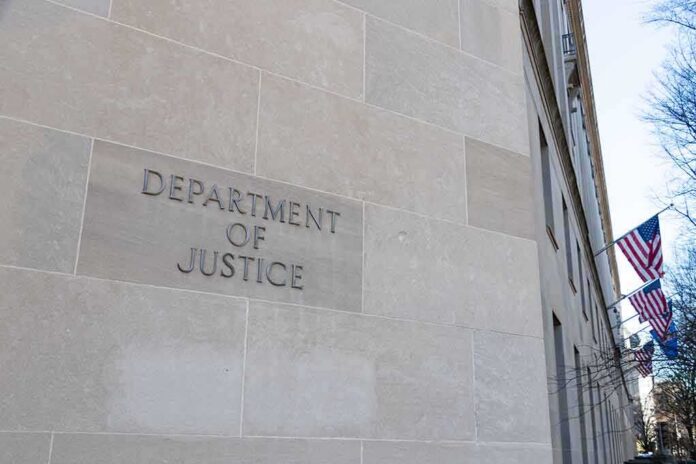
Defense Secretary Pete Hegseth removed Army Lt. Gen. Brett Sylvia from his Joint Staff role after an internal inquiry found unauthorized disclosures of classified information. Pentagon officials said the department referred the case to the Justice Department, signaling possible criminal charges. A Pentagon spokesman said the department has zero tolerance for intentional leaks of classified material. Officials framed the move as needed to protect sensitive operations and sources during active conflicts involving Iran and the Russia-Ukraine war.
News reports said Sylvia served as the Pentagon’s top military planner before his ouster. Multiple outlets linked the firing to alleged leaks involving Iran and the Russia-Ukraine conflict. The referral marks a serious step, because prosecutors will now assess if laws were broken. Defense officials described the firing as urgent to stop further risk. The Pentagon rarely announces referrals, which underlines the gravity they say they found in this case and its potential harm to ongoing missions.
Internal Report Cites Admissions Of Unauthorized Disclosures
An internal investigative report shared with reporters stated that Sylvia admitted disclosing classified information to two journalists over about a year. The accounts described contacts with separate outlets and said the disclosures involved Iran and Ukraine war matters. These published details came through reporting based on the investigative record. They help explain why the Pentagon moved fast and then alerted the Justice Department. Such admissions, if proven in court, can form a strong basis for prosecution under federal secrecy laws.
Different outlets described the sequence in similar terms. First, a review flagged contacts with the press. Next, investigators documented specific information that should have stayed secret. Finally, leadership removed Sylvia and sent the case for possible charges. The Defense Department said protecting classified details is essential to keep troops safe and uphold alliances. Officials did not release the underlying classified material, which is standard in these cases to avoid deeper damage.
Why This Case Matters For Security And Accountability
Leak cases test two core goals at once: protect national security and keep government honest. The Justice Department has used existing law, including the Espionage Act, to charge leakers across decades. High-profile cases have ranged from the Pentagon Papers era to more recent prosecutions. Legal scholars note that leak prosecutions often rise when administrations push tighter control of information. That pattern sets the backdrop for today’s actions and the government’s effort to deter future leaks.
IMO a double-header on 3 DEC with Nidal Hassan is warranted.
REAKING: Fired Pentagon General Brett Sylvia reportedly ADMITTED leaking classified intelligence about Iran and Ukraine to journalists.
According to breaking reports, an internal investigation report states that the…
— James M deVille (@SteelKingah22) October 30, 2026
The Pentagon also faces pressure to run fair investigations. Some past probes have included polygraph testing, but leading scientific reviews question lie detector accuracy for screening. The National Academies reported that polygraph screening is too flawed for reliable security decisions. Courts and researchers have echoed those concerns. That is why departments usually gather corroborating facts, like logs, emails, or witness statements, before taking career-ending steps or seeking criminal charges.
What Comes Next In The Legal And Policy Track
Justice Department attorneys will decide whether to bring charges based on the investigative file. If they proceed, the case will likely move through a structured process to protect classified evidence, including special court procedures. Meanwhile, the Pentagon will try to shore up handling of sensitive plans and contacts with the press. The military often tightens training and access controls after a breach to limit repeat risk, especially during fast-moving conflicts that rely on secrecy to save lives.
🚨BREAKING OVERNIGHT: SecWar Pete Hegseth has FIRED Lt. Gen. Brett Sylvia after he reportedly FAILED three polygraphs about leaking classified information to the press
GOOD RIDDANCE TO ALL LEAKERS! 👋🏻
He's now under investigation over LEAKS about the Iran war, the…
— Wtcrescuer911 (@wtcrescuer911) October 30, 2026
Sources:
thegatewaypundit.com, washingtonpost.com, abc11.com, yahoo.com, cbsnews.com, newsobserver.com, nationalacademies.org
© boldfrontnews.com 2026. All rights reserved.