
A sitting U.S. secretary of state urged Cubans to seek “discreet” help from the Central Intelligence Agency—an extraordinary public nudge toward covert action that raises old ghosts and new risks.
Story Snapshot
- Secretary of State Marco Rubio told Cubans “now is the time” to pursue change with discreet CIA cooperation.
- Rubio cited failed promises, corruption, and concentrated privilege in Cuba as reasons to act.
- Cuban diplomats blasted the United States for “bullying” other countries over a United Nations vote.
- Cold War records show many covert regime-change attempts, with mixed and often poor outcomes.
Rubio’s Public Appeal And What He Said
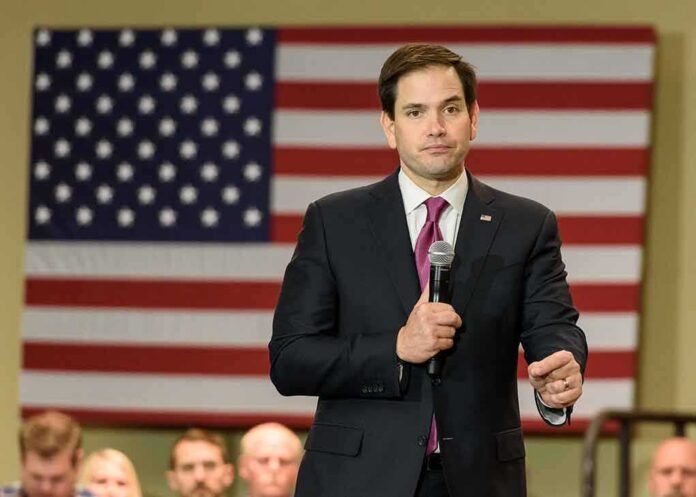
On October 23, 2026, Secretary of State Marco Rubio posted that “now is the time” for Cubans who want “positive change” to pursue it through a “discreet partnership with the CIA.” He pointed to “failed promises, corruption, and the privileged lives of only a few” as the reason to act. News outlets reported the post as a direct call for cooperation with U.S. intelligence, unusual for an official at his level to state in public.
Rubio’s statement did not spell out any operation or funding. He named no target groups, no process, and no limits. That gap leaves many open questions. It also invites strong reactions from both sides of the debate. Supporters may view it as tough support for freedom. Critics may see it as an open door to interference or worse. The post stands as a public pitch, not a plan.
How Cuba’s Diplomats Are Framing The U.S. Push
Days before Rubio’s post, Cuba’s ambassador to the United Nations, Ernesto Soberón Guzmán, accused the United States of “bullying” and pressuring countries over a planned vote on the U.S. embargo. He said the United Nations is not a place for political persecution or efforts to undermine sovereignty. He also claimed U.S. officials contacted heads of state to sway votes, escalating a long fight over outside pressure.
Cuban officials later said Rubio himself drove the pressure. They argued that such actions cross from policy into coercion. These claims are part of the wider narrative war that follows any move on Cuba. The United States denies wrongdoing and says it seeks freedom and accountability. The exchange underscores how fast a public message can shape global opinion in the halls of diplomacy.
Why This Message Hits A Nerve In Washington And Havana
The Central Intelligence Agency has a heavy history in Cuba. Historical records describe many covert efforts, including plots against Fidel Castro, and a long reliance on economic and diplomatic pressure. That past colors how today’s calls sound to friends and foes. When a top U.S. official points to “discreet” help, many recall the Bay of Pigs and other Cold War actions that left deep scars and hard lessons for both countries.
Americans across the spectrum carry doubts about elite decision making. They see leaders talk tough while costs fall on regular people. Some on the right resent global plays that fail or drag on. Some on the left fear secret actions that hurt civilians and weaken rights. Rubio’s post lands in that shared distrust. It promises action but gives no detail on the path, guardrails, or end state. That vagueness fuels public concern about accountability.
What History Says About Covert Paths To Change
Research on regime change finds that covert attempts have at best mixed results. A Cato Institute review cites work showing covert efforts replaced leaders in about 39 percent of Cold War cases. That number sounds notable, but it does not mean stable freedom followed. Other studies link covert action to higher risks of civil conflict in the years after intervention. Short wins can come with long, painful costs.
This record matters now because public support wanes when leaders seem to roll the dice in secret. Voters on both sides complain that officials protect their careers while citizens carry the burden. Calls for “discreet” help may read as more of the same. Clear goals, lawful oversight, and a real plan for “the day after” are the minimum to earn trust. Rubio’s post does not provide that level of clarity, at least not in public.
What To Watch Next
Watch for State Department briefings that explain whether Rubio’s words reflect formal policy. Look for congressional oversight signals about legal boundaries, objectives, and measures of success. Track the United Nations vote on the embargo and how countries react to claims of pressure. Most of all, look for whether the United States pairs tough talk with transparent guardrails, or leans again on quiet tools that have a shaky record and heavy human costs.
Sources:
cnnespanol.cnn.com, es-us.noticias.yahoo.com, ntn24.com, media.un.org, ground.news, oneindia.com, britannica.com
© boldfrontnews.com 2026. All rights reserved.