
France moved to let local officials ban protests after riots torched city halls and injured police, sharpening a core test between public order and civil freedom.
Story Highlights
- Hundreds of thousands marched; a violent minority set fires and attacked public buildings.
- President Emmanuel Macron told prefects to work with mayors and ban gatherings when needed.
- Police made more than a thousand arrests amid fires, looting, and a city hall roof collapse.
- Officials say most protesters were peaceful, but violence forced tougher controls.
What Triggered the Ban-When-Necessary Policy
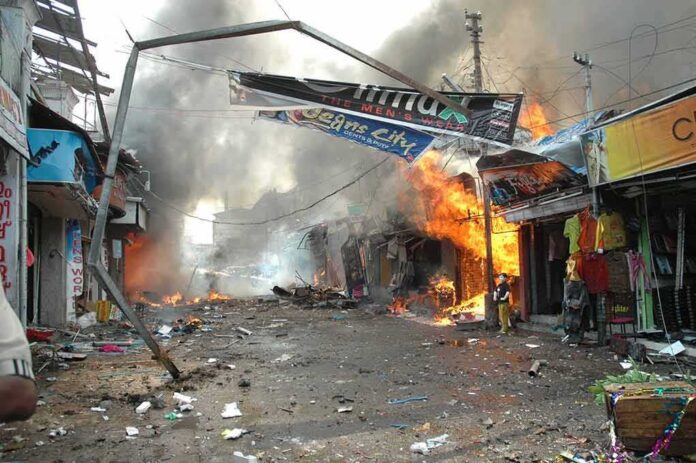
French cities saw large, nationwide protests over living costs, school conditions, and public services. Crowds reached into the hundreds of thousands, across many regions. In several places, masked groups clashed with police, looted shops, and set fires. Paris police announced hundreds of arrests in the capital region. Other cities reported major damage, including a blaze that badly hit Limoges City Hall. These events pushed leaders to reassess normal protest management.
Government statements drew a clear line between peaceful protesters and violent actors. Officials said most people marched without problems. They also said small, organized groups used the marches to attack civic targets and confront police. That view guided the new approach. It aims to preserve the right to protest while stopping violence near schools, town halls, and transit hubs. The Interior Minister backed firm policing, including approved intermediate crowd-control tools.
Macron’s Orders to Prefects and Local Limits in Paris
President Emmanuel Macron addressed the nation and directed prefects to coordinate with mayors to shield public buildings and businesses. He said they could prohibit gatherings when needed to restore order. The plan stresses targeted action, not a blanket national ban. Paris followed this model with partial route bans under the internal security code. Authorities allowed modified marches to proceed while blocking the highest-risk segments.
Officials also promised legal action against people who attacked police prefectures, city halls, or stores. Macron said prosecutors would bring the full force of the law against those responsible. He paired this with a call to hear public anger and discuss fixes. The Élysée signaled talks with students, teachers, and unions to work on specific proposals. The message: firm order and concrete policy steps can move in tandem.
Why the Numbers and Narratives Both Matter
News outlets reported differing arrest totals as events unfolded. Some cited about 1,200 arrests nationwide; others reported around 1,800. These gaps likely reflect timing and scope differences. Still, the common core stands: violence hit many cities, and civic buildings were attacked. That pattern supports the state’s case for sharper tools, even as it raises civil liberty concerns across the spectrum in France and abroad.
For Americans watching, the tradeoff feels familiar. People on the right worry that elites use crises to restrict dissent. People on the left worry police powers will chill speech and target marginalized groups. The French plan is a live example of that tension. It protects the right to march but lets officials block specific gatherings or routes if risks spike. That approach will be tested by court reviews, media scrutiny, and what happens at the next rally.
What to Watch Next
Watch three things. First, whether targeted bans remain narrow and time-limited. Second, whether prosecutions show organized planning or mostly opportunistic violence. Third, whether talks on living costs and schools yield real steps. If limits expand or linger, civil-liberty pushback will grow. If damage continues, pressure to widen bans will rise. Either way, trust in institutions will hinge on even-handed enforcement and visible progress on the causes of anger.
Sources:
telegraph.co.uk, bbc.co.uk, cnbc.com, cnn.com, elysee.fr, npr.org, euronews.com, prefecturedepolice.interieur.gouv.fr, bbc.com
© boldfrontnews.com 2026. All rights reserved.