
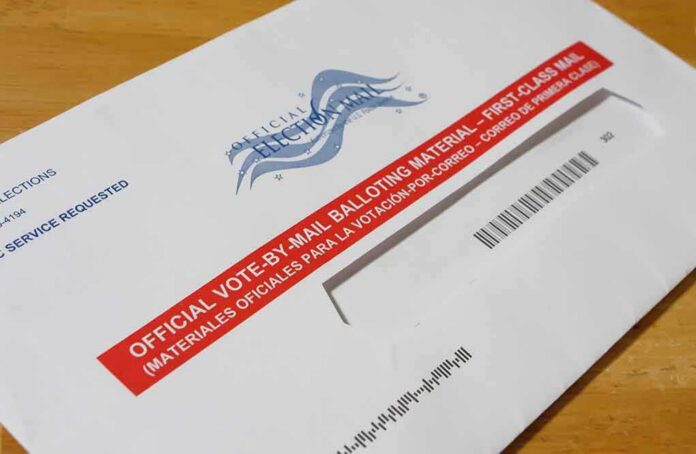
California voters rejected a one-time 5% billionaire wealth tax that backers said would fund healthcare with tens of billions of dollars.
Story Snapshot
- Proposition 40 failed statewide, 52.8% to 47.2%, ending the push for a one-time wealth tax.
- The measure targeted residents worth $1 billion or more on January 1, 2026, with payment due in 2027.
- Nonpartisan analysts projected “tens of billions” in temporary revenue, mostly for healthcare.
- Rival measures and heavy opposition spending added legal and political headwinds.
What Voters Decided And By How Much
Statewide results showed Proposition 40 lost 52.8% to 47.2%, according to certified tallies cited in national reporting. The vote capped months of ads, mailers, and rallies across the state. Supporters framed the tax as a targeted way to protect health programs. Opponents argued it was risky policy with unclear long-term returns. The result means California will not impose the one-time wealth tax. Lawmakers now face the same budget pressures without this tool.
The campaign’s money race was lopsided. News reports detailed that opponents and backers of rival measures together raised hundreds of millions of dollars, far more than the yes side assembled. That imbalance drove high-frequency television and digital ads against the measure. Many spots warned that a wealth tax on a few today could grow later. Supporters said the measure’s text locked the scope to billionaires, but the air war shaped how voters judged risk and fairness.
How Proposition 40 Was Structured
Official ballot materials show Proposition 40 as an initiative constitutional amendment and statute. The measure applied a one-time 5% tax to the net worth of individuals and certain trusts that were California residents on January 1, 2026. Payment would be due in 2027, with a five-year installment option. Analysts said the state would collect “tens of billions of dollars,” spread over several years, and noted the tax was temporary. Most proceeds were designated for healthcare programs.
Election coverage reported that the tax base centered on more than 200 California billionaires, while generally excluding real estate, pensions, and retirement accounts. That concentration aimed to raise large sums from a small group. The Legislative Analyst’s Office also flagged a potential ongoing income-tax loss under $1 billion per year if some billionaires left the state. That risk sharpened debate over net revenue. Supporters called it manageable. Opponents said it could compound future deficits.
Why The Stakes Felt Bigger Than One Ballot Measure
Propositions 41 and 42 appeared on the same ballot and were described as measures that could nullify or constrain a wealth tax even if it passed. That created legal uncertainty around implementation. It also gave opponents a second path to block the policy. For voters who worry that powerful interests write the rules, the setup looked familiar: big money, complex legal devices, and fine print that decides who pays and who does not. The broader fight outlasted the vote.
California Voters Reject Billionaire Wealth Tax https://t.co/fSBGhrBDEA
— @Azeem_USA (@Azeem_USA) November 10, 2026
For families on both the right and the left, the result taps a common worry: government keeps chasing one-time fixes while core services feel fragile. Supporters argued Proposition 40 would backfill health budgets hurt by federal cuts, but it relied on a temporary pot of money. Critics warned the tax was hard to enforce and might push wealth out of state. The decision leaves the same hard math ahead—how to fund care without raising broad taxes or piling on debt.
What Comes Next For Healthcare And Budgets
Without Proposition 40, California leaders must balance rising healthcare costs with slower revenue growth. The Legislative Analyst’s Office described the wealth tax as large but temporary, which would not solve long-term needs by itself. Budget writers may now look at program trims, alternative taxes, or savings. Hospitals and clinics that hoped for a near-term cash bridge must plan around current funds. Any new plan will need clearer timing, stable revenue, and rules that hold up in court.
Sources:
reason.com, lao.ca.gov, test.lao.ca.gov, sos.ca.gov, eastbaytimes.com, npr.org
© boldfrontnews.com 2026. All rights reserved.