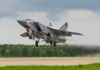

A Greek F-4 Phantom crashed during a packed air show near Athens, killing both pilots and jolting a crowd that came to celebrate flight.
Story Snapshot
- A Hellenic Air Force F-4 Phantom went down at Tanagra during an air show north of Athens.
- Officials reported no injuries among spectators, despite fire and heavy smoke.
- Authorities said the two-seat crew did not survive, and the cause is under investigation.
- Air show crash patterns often trace to low-altitude maneuvers, pilot error, or mechanical failure.
What Happened at Tanagra Air Show
Greek officials said a two-seat F-4 Phantom crashed Saturday during an air show at Tanagra airport, north of Athens. Reporters on site described thick black smoke and a fire after impact as thousands watched the display. Event staff and emergency crews moved quickly to secure the area. Authorities reported no injuries among attendees. The Hellenic Air Force began a search-and-rescue effort at once. The crowd remained in place as instructions were given over loudspeakers.
The jet was part of a planned demonstration. The aircraft is a Vietnam-era design that Greece has kept in service for specific roles. The Phantom’s two-person crew did not survive, according to officials later cited in initial dispatches from the scene. The loss came in full view of families and aviation fans. Organizers paused the schedule as responders worked. The air base restricted access as investigators documented wreckage and flight paths.
What Authorities Confirmed and What Comes Next
Greek Air Force representatives told reporters that a search-and-rescue operation began immediately after the crash. Police and base security formed a perimeter to keep spectators safe. Fire teams knocked down flames near the impact point. Officials said there were no reports of injuries in the stands or on the ground beyond the crash site. The service opened a formal safety probe. Investigators will review flight plans, pilot records, maintenance logs, and video from the event.
Investigators often start with basic questions: altitude, speed, maneuver type, and any signs of distress. They look for evidence of bird strikes or engine issues. They compare radio calls to the show’s brief. They study whether the jet stayed within the approved display box. In many air show crashes, findings point to low-altitude maneuvering, pilot error, or a sudden mechanical failure rather than crowd safety lapses. Officials have not offered a cause yet and warned against early conclusions.
Why This Matters to Safety and Trust
Air shows draw families, veterans, and students because they showcase skill and national pride. This crash will raise fair questions about risk and safeguards. Past data on air show incidents show a steady stream of accidents over the years, with repeated themes in the probable causes. That history explains why air bosses use rigid flight lines, separation rules, and altitude floors. It also explains why military and organizers speak carefully until the facts are clear.
BREAKING | GREEK FIGHTER JET CRASHES DURING AIR SHOW, KILLING BOTH PILOTS
Thousands of spectators watched in horror as a Greek F-4 Phantom fighter jet crashed during an air show, killing both pilots on board.
The aircraft was reportedly flying just meters above the ground during… pic.twitter.com/hAdrw50Iz5— CSB News USA (@csbnewsus) September 6, 2026
For citizens, two things can be true at once. People honor the pilots’ service and still expect strong oversight. People enjoy the spectacle and still demand serious risk controls. The point is not to ban displays, but to make them safer and more transparent. Clear answers on what went wrong, and plain language reforms if needed, help rebuild trust. That is how institutions show they serve the public, not themselves.
Sources:
insiderpaper.com, ksl.com, timesofisrael.com, reuters.com
© boldfrontnews.com 2026. All rights reserved.