

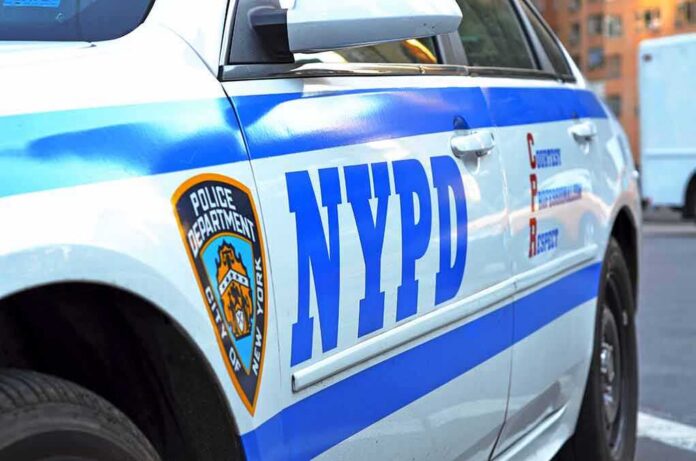
New York City police arrested and charged a former officer and school aide with murder after a 28-year-old jogger was fatally stabbed along a Brooklyn waterfront path, a case now pressing the system to prove what happened and why.
Story Snapshot
- Police arrested Sayed Mohassib on November 7 and charged him with second-degree murder, weapon possession, and evidence tampering.
- Detectives said they developed evidence placing Mohassib at the scene of the October 30 stabbing of runner Katie Suarez.
- Paramedics took Suarez to NYU Langone Hospital–Brooklyn; she died days later from neck wounds, according to reports.
- Unnamed law-enforcement sources said Mohassib spoke about having a knife and waking up covered in blood.
Arrest And Charges Filed In Brooklyn Jogger Killing
New York City police arrested Sayed Mohassib on November 7 and charged him with second-degree murder, tampering with physical evidence, and criminal possession of a weapon. Police and multiple outlets reported the same charge set after his booking. The arrest followed the fatal stabbing of 28-year-old runner Katie Suarez. The killing drew citywide attention because it happened in a public space and appeared sudden. The charges mark the start of a homicide case, not the end of it.
Police said the attack happened on October 30 along the Shore Parkway Greenway by the Belt Parkway waterfront in the Bath Beach area of Brooklyn. Reports described that Suarez was stabbed in the neck while jogging. Paramedics took her to NYU Langone Hospital–Brooklyn in critical condition. She died several days later from her injuries, according to local coverage. The date, location, and medical outcome anchor the prosecution’s timeline and support the link between the attack and her death.
How Detectives Say They Tied A Suspect To The Scene
Detectives said they developed evidence that placed Mohassib at the scene of the stabbing. Police did not release details about the type of evidence, such as video, DNA, or phone records. News reports cited the police statement but did not publish the underlying proof. That is common at this stage of a case, when filings and lab reports often remain sealed. The prosecution will need to show the court what supports those claims as the case moves forward.
Two unnamed law-enforcement sources told NBC New York that Mohassib made statements referencing a knife, a blackout, and waking up covered in blood. Those reported remarks, if accurate and admissible, could be important. But they come through anonymous sources rather than a public court filing or a recording. The defense can challenge how any statements were taken and what they mean. That testing typically happens during pretrial hearings and at trial.
What The Evidence Tampering Charge Suggests
Police and news outlets listed tampering with physical evidence among the charges. That count often signals an allegation that someone hid, altered, or disposed of an item. Reports did not identify what item or act police believe was involved. If a weapon was recovered, the state may try to connect it to Suarez’s wounds through lab work. If no weapon was recovered, prosecutors may rely on other physical or digital traces. Those answers usually surface in discovery and in court.
Outlets also noted that Mohassib previously served briefly as a New York City police officer and later worked as a Department of Education aide. That background adds pressure on institutions to show strong screening and quick action when risks appear. It also raises familiar worries across the political spectrum about how powerful systems police themselves. Still, the question in court will be narrow: what evidence proves who stabbed Suarez and with what intent?
Why This Case Hits A Nerve Beyond Brooklyn
Public safety fears rise when a young person is killed during a daily routine, like a jog on a popular path. Many Americans, left and right, already feel that leaders talk about safety but fail to deliver it. Families want paths lit, cameras working, and trouble addressed fast. They also want fairness. They want police and prosecutors to present real proof, and they want courts to test it. Speed without proof, or proof without fairness, erodes trust in both directions.
Former NYPD Officer Charged in the Fatal Stabbing of 28-Year-Old Brooklyn Jogger Katie Suarez https://t.co/EBRwO0IMVb
— People (@people) November 8, 2026
This case is in the early stage, which means facts will come out step by step. Prosecutors chose second-degree murder, which in New York centers on intent. Proving intent often turns on the number and nature of wounds, witness accounts, and any statements by the accused. Defense lawyers can argue against intent or challenge the source of evidence. As the filings arrive, the public will have a clearer view of the state’s theory and the defense response.
Sources:
facebook.com, nytimes.com, bronx.news12.com, nbcnewyork.com, brooklyn.news12.com
© boldfrontnews.com 2026. All rights reserved.