
A U.S.-led air campaign hit Iran’s power centers and left several senior Iranian figures dead, but the headline-grabbing claim of an official “dropping dead on live TV” remains unverified.
Story Snapshot
- U.S. Central Command confirmed Operation Epic Fury began on February 28, 2026, targeting Iran’s military hubs.
- Major outlets reported large-scale strikes with more than 100 aircraft involved in the opening wave.
- Iranian and Western reports listed senior casualties tied to the strikes, including top Islamic Revolutionary Guard Corps leaders.
- No sourced evidence confirms a senior official died on live television during a nightly rally.
What Washington Confirmed About Operation Epic Fury
United States Central Command and Department of Defense fact sheets say the U.S. launched Operation Epic Fury at 1:15 a.m. on February 28, 2026, under orders from President Trump. The documents list Islamic Revolutionary Guard Corps command nodes among the targets, including joint and aerospace headquarters. The purpose, as described by officials, was to break Iran’s command and control and to degrade strike capabilities. These records form the backbone of what is officially confirmed about timing, targets, and intent.
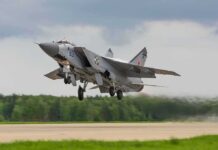
Reuters reported that more than 100 aircraft from land and sea joined the opening wave, describing a coordinated start to the campaign. The scale points to careful planning and a push for early shock against key systems. NPR described a U.S. operation alongside Israel, adding to evidence that allied actions were synchronized in the first phase. These accounts align with the military’s target lists and help explain why leadership losses followed quickly after the operation began.
What We Know About Iranian Leadership Losses
Iranian state media and Western outlets reported that some senior Iranian officials were killed during the strike window. ABC7’s live updates cited state media on the deaths of Mohammad Pakpour, a commander in the Islamic Revolutionary Guard Corps, and Ali Shamkhani, a top security official. Al Jazeera later reported that the Islamic Revolutionary Guard Corps said its spokesman, Ali Mohammad Naini, died in an overnight U.S.-Israeli strike. These named reports support claims of high-level attrition after the first waves.
The White House later stated that Iran’s command-and-control structure was “shattered” by more than 2,000 strikes and that leadership losses were significant. This claim fits with the target set described in military releases, which focused on strategic nodes linked to the Islamic Revolutionary Guard Corps and defense networks. While the precise tally of officials lost is not uniform across outlets, the broad picture is consistent: Iran’s leadership ranks took real damage in the campaign’s early days.
The Live-TV Death Claim Lacks Verifiable Proof
The viral claim that a senior Islamic Revolutionary Guard Corps official “dropped dead on live TV” at a nightly rally is not backed by the sources reviewed here. None of the cited fact sheets, major wire reports, or named-outlet updates include broadcast files, transcripts, or authenticated footage of a live on-air death. The record confirms real strikes and real losses, but it does not verify this specific event. Without named video and chain-of-custody details, the claim remains unproven.
US, #IRAN CLASH FOR 1st TIME SINCE JULY 29: #IRANIAN ISLAND HIT, US BASES IN #JORDAN TARGETED
In the first exchange of fire since July 29, the US struck two rocket launchers on #Iran's #LarakIsland, in the #StraitofHormuz, on Sunday.
Iran monitors and surveils ships passing… pic.twitter.com/MuGKgpPvKw
— Aninda Dey (@FightTheBigots) August 31, 2026
Confusion also stems from competing narratives that shifted over time. Some Iranian channels initially denied the deaths of senior commanders, then later reports identified multiple officials as killed. That pattern is common in fast-moving conflicts, where propaganda, morale concerns, and limited access shape early statements. The mix of official U.S. claims, Iranian updates, and secondary reporting explains why some headlines travel faster than confirmation. The caution flag here is about evidence, not about whether strikes occurred.
Why This Matters to Americans Across the Aisle
Large, secretive operations fuel the sense that insiders hold the facts while the public gets fragments. Many conservatives worry about mission creep, open-ended costs, and energy shocks that hit family budgets. Many liberals worry about civilian harm, regional blowback, and unequal burdens on working Americans. Both sides are asking the same core question: Who is accountable when the government wages war far from home and the evidence trail is thin? Clear proof should match bold claims.
That is why disciplined sourcing matters. The military’s documents and top wire reporting confirm the start date, the targets, and the scale of Operation Epic Fury. Named outlets cite real leadership losses tied to the strikes. But the dramatic live-television death claim lacks the basic receipts that would settle it. In a climate where trust is scarce, leaders owe the public facts that hold up outside the spin room. The stakes are lives, treasure, and America’s word.
Sources:
thegatewaypundit.com, war.gov, media.defense.gov
© boldfrontnews.com 2026. All rights reserved.