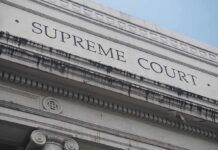

After the Supreme Court eased a block on President Trump’s mail-voting order, a Massachusetts judge again halted key parts, reigniting a coast-to-coast fight over who runs elections and how ballots move through the mail.
Story Snapshot
- A federal judge in Boston renewed limits on the executive order’s rollout in several states.
- The Supreme Court recently paused an earlier, broader injunction but did not decide legality.
- The order would shift mail ballot control toward federal agencies, including the Postal Service.
- Courts are split on timing and scope, with November elections drawing closer.
What the Judge Did This Week
U.S. District Judge Indira Talwani again blocked parts of President Trump’s mail-in ballot executive order after earlier rulings had stopped and then narrowed the order’s effect. Her latest action limits federal steps tied to Postal Service changes in multiple states ahead of the midterms, citing overreach and harm to existing systems. The judge had previously called core sections unconstitutional for breaching separation of powers and exceeding presidential authority, a view echoed in legal summaries of her June ruling.
The practical impact hits election offices and mail operations preparing for absentee peaks. The renewed block prevents the Postal Service from enforcing directives that would deny ballot mailings unless states share voter eligibility lists with Washington, a shift critics say Congress never authorized. That pause reduces last-minute rule changes for officials already printing envelopes, training staff, and testing scanners for fall turnout.
What the Supreme Court Allowed — and Didn’t
The Supreme Court recently lifted a broad injunction that had stopped the administration from moving forward in many places. The unsigned ruling focused on procedure and timing, not on whether the order is lawful, leaving that fight for later. Legal analysis notes the opinion stressed that allowing steps to proceed now does not bless any eventual agency rule, which could still be struck down if it violates the law.
That narrow approach explains why fresh limits reappeared in the trial court this week. When high courts avoid the merits, lower courts still manage concrete disputes as facts change. Here, the government advanced new steps tied to the order, and plaintiffs argued those steps would upend state systems and confuse voters. The judge agreed they showed present risk and tightened the reins again while cases continue.
What the Executive Order Would Change
President Trump’s order aims to tighten mail-in voting rules by steering control toward federal agencies. It directs the U.S. Postal Service to deliver ballots only to people on lists of eligible voters and tasks the Department of Homeland Security, with support from Social Security records, to help verify citizenship and create state-by-state lists. Supporters say these moves fight fraud and raise trust in results. Opponents say the Constitution assigns such rules to states and Congress, not the president.
Court filings and expert summaries warn that the plan would overhaul long-running state mail systems. Design changes to ballot envelopes, new identifiers, and federal eligibility lists would force local offices to retool in months, not years. A Supreme Court document summarizing the dispute describes a shift from state-run to federally controlled gatekeeping over who gets a ballot and whose vote counts, a core reason challengers claim the order exceeds executive power.
Why This Fight Resonates Beyond Partisanship
Both major parties complain that the system serves insiders first and voters last. Conservatives fear loose rules, messy lists, and late counts that erode faith. Liberals fear top-down control, federal databases with errors, and barriers that keep legal voters out. This case channels those fears into a single question: who decides—the states closest to voters, or federal officials who claim a cleaner process?
🔥🚨 BREAKING: TRUMP’S MAIL-IN BALLOT RULES SPARK ANOTHER MAJOR COURT BATTLE 🚨🔥
President Trump’s election-security plan is facing another legal showdown as the USPS moves forward with new requirements for mail-in ballots ahead of the 2026 midterms.
The rules would require… pic.twitter.com/BZUDupq61S
— Reverend Jordan Wells (@WellsJorda89710) August 28, 2026
For many readers, the deeper concern is stability. Election offices need clear rules months before ballots ship. Rapid changes risk bad mail sorting, wrong envelopes, and real people losing their say. Courts are trying to slow whiplash while the legal fight plays out. With November near, the safest bet is that more orders, stays, and appeals are coming—and that the final word on the order’s legality still lies ahead.
Sources:
thegatewaypundit.com, thehill.com, axios.com, ms.now, theguardian.com, scotusblog.com, democracydocket.com
© boldfrontnews.com 2026. All rights reserved.