
President Trump’s administration is issuing U.S. visas to Brazilian Sen. Flávio Bolsonaro and his family even as Brazil’s top court ordered him to surrender his passports.
Story Highlights
- A senior State Department official said visas will be issued to Flávio Bolsonaro and his family.
- Brazil’s Supreme Court ordered Bolsonaro to hand over passports and barred his departure.
- CNN reported Trump approved allowing entry amid fast-moving events after the election loss.
- Visa details remain confidential, fueling concern over secrecy and possible favoritism.
What Washington Decided and Why It Matters
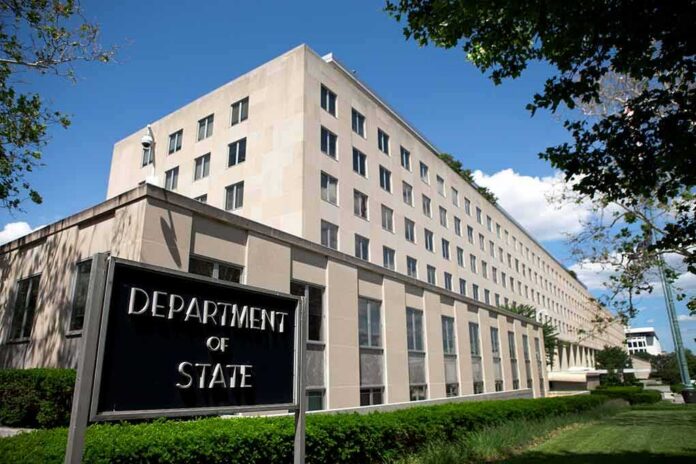
The State Department, through a senior official, said it will issue visas to Flávio Bolsonaro and his family and allow them to enter the United States. CNN reported that President Trump approved allowing entry, and that advisers tracked a short window around a passport deadline in Brazil. The decision signals an active policy choice, not just a lack of a block. It also raises a test of how U.S. visa power fits with foreign legal actions and high-profile corruption probes.
Brazil’s Supreme Court, through Justice Alexandre de Moraes, ordered Bolsonaro to surrender his passports within twenty-four hours and barred him from leaving the country. Reports said authorities later canceled his passports after the deadline passed. News outlets gave mixed accounts of his movements and documents, adding confusion over how or when he traveled. Those open questions feed public doubt about process, yet do not by themselves change U.S. visa law or authority.
The Legal Frame: Visa Power and Secrecy Rules
United States law gives the Secretary of State wide room to issue or deny visas. Records about issuance or refusal are confidential under the Immigration and Nationality Act, section 222(f), which limits what officials can share publicly. That secrecy is lawful, but it frustrates both sides who want clarity. It explains why there is no public notice naming visa type, dates, or conditions. It also leaves space for suspicion when the person is linked to major investigations abroad.
Congress has also directed visa bans for credible evidence of significant corruption, and those bans can reach immediate family members. That tool is real and has been used, but it also allows case-by-case waivers in the national interest. The current reporting does not show a public corruption designation against Bolsonaro under these rules. The State Department’s anonymous confirmation, paired with the law’s privacy shield, means the public cannot yet see if any waiver or special finding was made.
Tension With Brazil and the Risk of Political Optics
Brazilian media and international outlets framed the move as clashing with a live court order and a serious probe into alleged money laundering and related crimes. President Luiz Inácio Lula da Silva criticized Bolsonaro’s departure as shameful and said he should have stayed to prove his innocence. The timing, right after an election loss and a passport demand, feeds a narrative of favoritism. That view may grow, fairly or not, in the absence of a named U.S. rationale.
For Americans on both the right and left, this touches a familiar nerve. People see rules applied one way for the well connected and another way for everyone else. Supporters of strict borders ask why a figure under investigation gets a visa. Civil libertarians ask whether secret processes override due process concerns. Both groups worry that elites use complex systems to help their own. The visa privacy law protects cases, but the opacity can deepen distrust.
Key Unknowns the Public Deserves Answered
Officials have not disclosed the visa category, duration, or the exact legal basis used. Reports suggested Brazilian-Italian dual citizenship in the family could allow short visits, but the State Department confirmation points to visas that could support longer stays. Conflicting accounts about travel, canceled passports, and border records remain unresolved in public reporting. Without official documents, those gaps will persist. More transparency on process—not personal data—could cool the debate.
What comes next will set a precedent. If the administration explains the policy grounds in general terms, it can show the decision followed clear rules. If Congress asks for oversight on how corruption-related visa tools are used, it can bring daylight to a system most citizens never see. Clear, public guardrails—applied evenly—would help rebuild trust that decisions serve the nation, not the connected.
Sources:
bbc.com, afp.com, edition.cnn.com, thecanadianpressnews.ca, nytimes.com, folhape.com.br, justice.gov
© boldfrontnews.com 2026. All rights reserved.