

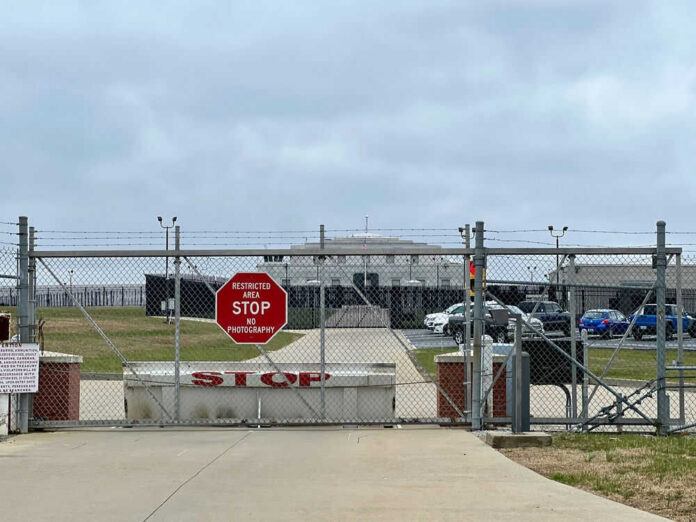
A billion‑dollar swamp prison is finally shutting down, and taxpayers are left holding the bag while Washington fights over what comes next.
Story Snapshot
- Florida’s “Alligator Alcatraz” migrant camp is closing after less than a year, despite massive spending and political hype.
- Reports describe cages in tents, overflowing toilets, maggot‑filled food, and harsh punishment that human rights groups say amounts to torture.[17]
- A federal judge halted operations over environmental law violations in the Everglades, exposing serious rule‑breaking by officials.[2]
- Florida diverted hundreds of millions meant for disaster relief to build the camp, and much of that money may now be lost.[1]
A Costly Everglades Experiment Comes to an End
Florida Governor Ron DeSantis announced that the state‑run Everglades Detention Facility, branded “Alligator Alcatraz,” is shutting down after less than a year of operation.[2] State officials had turned a remote airstrip in Big Cypress National Preserve into a tent camp with cages, marketing it as a tough new answer to illegal immigration and crime.[1] The price tag climbed toward hundreds of millions of dollars, drawn from emergency funds that were supposed to help Floridians prepare for hurricanes and disasters.[3] That money is now largely gone, while the camp sits empty.
A federal judge in Miami ordered operations at Alligator Alcatraz halted and parts of the site dismantled, after environmental groups argued the state rushed construction without required studies.[2] The lawsuit says Florida bypassed public input and failed to complete a proper environmental impact statement, violating the National Environmental Policy Act.[2] The camp’s location inside sensitive wetlands raised alarms for conservationists, who warned about damage to fragile habitat and wildlife. The shutdown order shows that even tough immigration enforcement must still follow the law.
Inside the Camp: Cages, Sewage, and “The Box”
Human rights investigators describe conditions inside Alligator Alcatraz that would shock most Americans.[17] Detainees reported overflowing toilets with fecal matter leaking into sleeping areas, limited access to showers, swarms of biting insects, and bright lights left on around the clock.[17] People received poor‑quality food and water, with some accounts of a single meal a day that sometimes contained maggots.[18] Many were held in chain‑link cages under large tents, exposed to heat, flooding rains, and constant noise.[18] These reports paint a picture far from basic decency or common‑sense order.
Amnesty International found that medical care inside the facility was inconsistent, inadequate, or denied, leaving people with chronic illnesses at serious risk.[17] The group also documented a punishment device detainees called “the box” – a two‑by‑two‑foot cage‑like structure where people were shackled to floor restraints and left for hours in the elements with hardly any water.[17] Amnesty concluded that this treatment could amount to torture under international law.[17] Other accounts describe routine shackling, physical abuse by guards, and prolonged solitary confinement as tools to control protests and fear.[3] Whatever one thinks about immigration policy, these methods cross clear moral lines.
Jurisdictional Gray Zones and Constitutional Questions
Alligator Alcatraz did not fit the normal mold of a federal immigration facility. It was funded with federal disaster and shelter money, but run directly by the state of Florida, creating what critics call a “jurisdictional gray zone.”[3] Civil liberties lawyers argue this allowed officials to dodge federal detention rules and due‑process protections that normally apply when the Department of Homeland Security or Immigration and Customs Enforcement holds people.[3] Lawsuits by groups like the American Civil Liberties Union say a state‑run immigration jail of this kind is unprecedented and may violate federal law and the Constitution.[9]
This camp also sits inside a broader pattern of detention sites built quickly under emergency or political pressure that later show serious abuses. A Senate investigation found hundreds of credible reports of human‑rights violations across United States immigration detention, including medical neglect, inedible food, and preventable deaths.[25] Research on the detention system documents regular overcrowding, poor hygiene, and long‑term harm to physical and mental health.[21] When power is concentrated in remote compounds beyond easy oversight, the risk of abuse grows. That should concern any American who cares about limited government and the rule of law.
Taxpayers Foot the Bill While Accountability Lags
From the start, Alligator Alcatraz was a fiscal gamble as well as a legal one. Reports estimate construction and setup costs in the hundreds of millions, with some analyses putting overall detention contracts tied to the project near $1 billion.[3] According to court filings, Florida may lose roughly $218 million invested to adapt the Everglades airfield into the camp, because much of that spending cannot be recovered now that the site is closing.[1] Vendors were told to fully demobilize, even though hundreds of millions in contracts remain unpaid.[3] Taxpayers end up paying for both the build‑up and the tear‑down.
State officials have claimed that federal agencies would reimburse much of the cost, but critics say there is no clear public audit proving the money will truly come back to Floridians.[2] Diverting disaster funds to build a remote detention camp meant less funding available for hurricane readiness, infrastructure, and community relief.[3] For conservative citizens who want lean government and responsible budgeting, Alligator Alcatraz looks like the worst of both worlds: massive spending, weak transparency, and a project that could not survive legal or moral scrutiny.
What Comes Next for Immigration, Security, and Liberty
Governor DeSantis insists the camp “fulfilled the role it was designed to serve,” citing more than 20,000 immigration offenders processed and deported.[2] Many Americans rightly demand that violent criminals and repeat offenders face firm consequences. But the core dispute here is not whether dangerous people should be removed from the country; it is how we treat every person in government custody and whether states can build their own quasi‑military compounds beyond clear constitutional limits. Human rights groups warn that Alligator Alcatraz could become a model for similar sites if the experiment is not fully rejected.[18]
For citizens who care about both secure borders and limited government, the lesson is simple. We can insist on strong enforcement, but we must also demand that detention be humane, lawful, and fiscally sane. Remote tent camps with cages, sewage leaks, and torture‑like punishment devices do not reflect American values or respect for the Constitution.[17] As this Everglades project shuts down, conservatives have an opening to push for smarter, transparent, court‑tested policies that protect communities without turning the rule of law into a slogan printed on prison merchandise.[1]
Sources:
[1] Web – Good Riddance to ‘Alligator Alcatraz,’ a Cruel, Expensive, and …
[2] Web – ‘Alligator Alcatraz’: Florida may lose $218 million as judge orders …
[3] Web – Florida announces closure of Alligator Alcatraz after 1 year
[9] Web – Florida’s controversial “Alligator Alcatraz” immigration detention …
[17] Web – Detained Immigrants Detail Physical Abuse and Inhumane … – ACLU
[18] Web – USA: Human Rights Violations at “Alligator Alcatraz” and Krome
[21] Web – The Truth About Immigration Detention in the United States
[25] Web – Detention Timeline — Freedom for Immigrants
© boldfrontnews.com 2026. All rights reserved.