

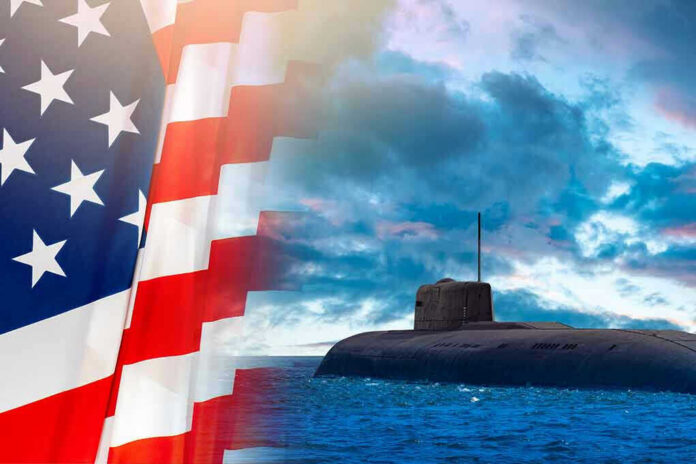
America’s aging Ohio-class submarines just proved irreplaceable in combat operations against Iran, forcing the Navy to extend their service lives despite looming retirement deadlines—a crisis born from defense industrial failures and bureaucratic delays that now threaten our national security.
Story Snapshot
- Ohio-class submarine launched 24+ Tomahawk missiles at Iranian nuclear facilities in June 2025, demonstrating irreplaceable stealth strike capability
- First Ohio-class submarine reaches retirement in 2027, but replacement Columbia-class won’t arrive until March 2029—creating a critical two-year gap
- Navy forced to extend Ohio-class service after submarines proved their combat value in Operation Midnight Hammer
- Defense industrial base failures delaying Columbia-class production expose vulnerabilities in American military readiness
Ohio-Class Proves Combat Dominance in Iranian Strike
An Ohio-class guided-missile submarine launched over two dozen Tomahawk cruise missiles at Iranian nuclear facilities in Isfahan on June 21, 2025, during Operation Midnight Hammer. Secretary of the Navy John Phelan confirmed to the Senate Appropriations subcommittee that the submarine “performed exceptionally, causing significant damage to Iran’s nuclear capacity.” The operation showcased capabilities no other platform can match: complete surprise, overwhelming firepower from over 1,000 miles away, and total stealth. While media focused on B-2 bombers and bunker-busters, the submarine strike delivered the initial blow that made the entire operation possible.
Retirement Crisis Meets Replacement Delays
The first Ohio-class submarine reaches mandatory retirement in 2027, yet the Navy’s Columbia-class replacement faces devastating delays. Admiral James Kilby, acting chief of naval operations, informed lawmakers the Columbia-class now won’t arrive until March 2029—two years behind schedule. This creates an unacceptable gap in America’s submarine force structure at the worst possible time. Four Ohio-class vessels were converted from ballistic missile carriers to guided-missile platforms capable of launching 154 Tomahawk missiles and transporting 66 Special Operations Forces. These 560-foot submarines can dive over 800 feet and exceed 25 knots, representing engineering excellence from the 1970s that modern contractors apparently cannot replicate on schedule.
Defense Industrial Base Failures Expose National Vulnerability
The Columbia-class delays reveal systemic rot in America’s defense industrial capacity. Submarine construction requires specialized skills, facilities, and supply chains that take decades to develop—capabilities squandered through years of bureaucratic mismanagement and cost overruns. The Ohio-class was engineered for longevity and minimal maintenance, qualities that seem lost on modern defense contractors more focused on maximizing contracts than delivering results. This isn’t just about submarines; it reflects broader failures across major weapons programs where accountability vanishes into endless delays while threats multiply. Patriots should demand answers about why American industry cannot build what American warriors need.
Strategic Deterrence Hangs in Balance
The Ohio-class gap threatens the continuous at-sea deterrent mission, a cornerstone of American strategic nuclear policy since the Cold War. These submarines guarantee the United States maintains credible second-strike capability, ensuring no adversary can neutralize our nuclear forces with a surprise attack. Operation Midnight Hammer demonstrated another critical role: conventional precision strikes with complete tactical surprise. The submarine platform guaranteed “a destructive array of firepower and a complete surprise” while proving “the efficacy of the U.S. seaborne nuclear deterrent.” Extending Ohio-class service lives becomes mandatory, but raises concerns about maintenance costs and crew deployment cycles on aging vessels never designed for extended operations.
The U.S. Navy Is Keeping Its Ohio-Class Submarines Alive After Iran Proved They Are Irreplaceablehttps://t.co/rVHWxBsQuj
— 19FortyFive (@19_forty_five) March 17, 2026
The Navy now faces impossible choices: push aging Ohio-class submarines beyond designed limits, accept gaps in deterrence coverage, or somehow accelerate Columbia-class production through a defense industrial base already proving incapable. American security depends on leaders willing to confront these failures, hold contractors accountable, and restore the industrial excellence that once made impossible deadlines routine. The stakes are too high for more excuses and delays.
Sources:
Here’s the role an Ohio-class submarine played in the strikes on Iran – Defense News
US submarine strike sinks Iranian warship for first time since WWII – ABC6