

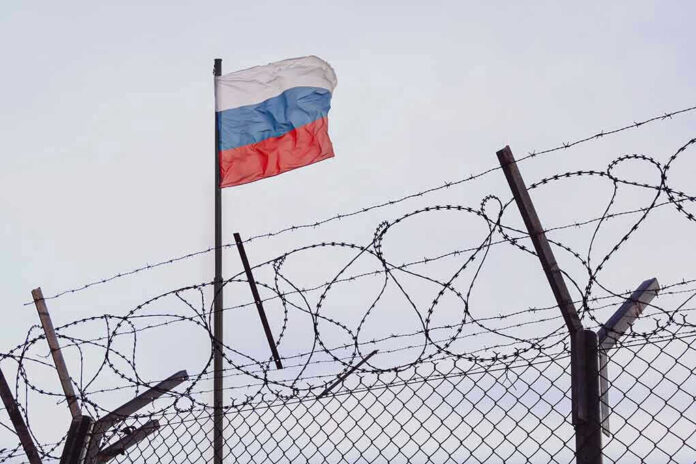
A new wave of recruits is being sent to Ukraine’s frontlines, raising ethical concerns and international outrage.
Story Highlights
- Russia recruits Arab fighters with promises of incentives, leading to dangerous frontline deployments.
- Recruits often misled about service roles, facing coercion and legal pressures.
- Legal actions in the Middle East against recruiters highlight human trafficking concerns.
- Geopolitical implications as home countries struggle with repatriation and accountability.
Russia’s Recruitment Strategy and Its Impact
Since March 2022, under the directives of Russian President Vladimir Putin, Russia has been actively recruiting Arab nationals from the Middle East and North Africa. These individuals are lured with promises of financial incentives and fast-tracked citizenship. However, upon arrival, they find themselves on the frontlines of Ukraine, often misled about the nature of their service. Many recruits face legal and economic pressures, trapping them in dangerous combat roles with little means of escape.
Reports indicate that thousands of foreign fighters, primarily from countries like Egypt, Iraq, Algeria, Yemen, and Jordan, have joined Russian forces. The Russian Defense Ministry, along with non-state actors like the Wagner Group, orchestrates this recruitment drive. These recruits, often economically disadvantaged, are deployed as expendable troops, highlighting a severe ethical dilemma and raising concerns about human rights violations.
Legal and Humanitarian Challenges
The recruitment strategy has sparked legal and humanitarian challenges, with many recruits coerced through misleading contracts. Legal actions have commenced in some Middle Eastern countries, like Iraq, where recruiters have been sentenced for human trafficking. However, despite these efforts, the recruits remain isolated, lacking legal recourse or support from their home governments, which struggle to intervene due to limited diplomatic leverage.
Families of recruits are left in distress, often without information about their loved ones’ whereabouts or well-being. The broader geopolitical implications are significant, with increased scrutiny on Russia’s military practices and potential diplomatic fallout. Home countries face reputational and security risks, exacerbated by the return of traumatized fighters or the legal repercussions of their involvement.
International Repercussions and Future Outlook
As the recruitment and deployment continue, the situation presents both short-term and long-term implications. In the short term, Russia benefits from increased manpower, but at a high human cost among foreign recruits. Long-term effects include potential destabilization in home countries and increased international scrutiny on Russia’s military conduct. Legal experts and human rights advocates warn of systemic exploitation and potential violations of international law, urging global attention and accountability.
The international community’s response remains crucial in addressing these challenges, ensuring the protection of vulnerable populations and holding accountable those who exploit them. As the situation develops, ongoing reports and testimonies will continue to shape the narrative and influence diplomatic and legal actions worldwide.
Sources:
The New Arab: Analysis of recruitment practices and testimonies from Arab recruits.
Beritaja: Additional reporting on recruitment scale and promises made.