

Ukraine hurled more than 1,000 drones at Russia as voters cast ballots, pushing the war straight into Moscow’s skyline and oil supply on election day.
Story Snapshot
- Officials said over 1,000 Ukrainian drones targeted Russia, with hundreds aimed at Moscow.
- Moscow’s mayor reported 450 drones intercepted near the capital and damage at a major oil refinery.
- Russian authorities said at least two people were killed and several injured around Moscow.
- The timing overlapped with Russia’s parliamentary elections, raising claims of political disruption.
Election-Day Strike Meets Home-Front Defenses
Ukrainian forces launched a mass drone attack across Russia overnight as the final day of parliamentary voting began, according to multiple outlets and Russian officials. Moscow’s mayor said air defenses intercepted 450 drones headed for the capital. Russia’s Defense Ministry said more than 1,100 drones were shot down across Russia, Crimea, and the Black Sea area. These statements describe the largest reported drone wave yet against Moscow. Independent counts of the total number are not available.
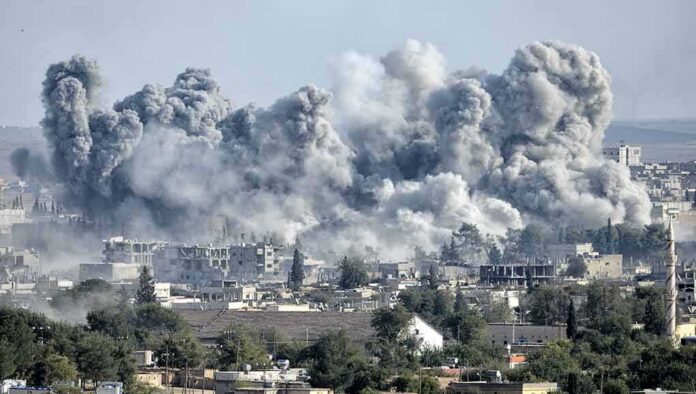
Moscow authorities reported two deaths in the wider region tied to the strikes, along with injuries ranging from six to about twenty across different accounts. City officials said several drones reached the Moscow Oil Refinery in Kapotnya, causing damage, and one drone hit a residential building. Images shared by outlets showed smoke above southern Moscow. Russian officials framed the attack as the biggest test yet for their layered air defenses around the capital.
Numbers, Narratives, and What We Can Confirm
Wire services and broadcasters relayed claims of more than 1,000 drones launched, over 1,100 shot down, and 450 intercepted near Moscow. These figures come from official channels, not outside auditors. Reported damage at the oil refinery and a housing block in Moscow was also attributed to officials. The confirmed pieces are limited but important: mass launches occurred, air defenses engaged, a refinery was damaged, and people died in the region. The exact totals will likely remain contested.
Moscow Mayor Sergei Sobyanin said the strike was planned to disrupt the elections and that the “enemy failed,” tying military events directly to political theater. Ukraine rarely details its long-range strike counts in real time, and that remained the case here. Still, the pattern of Ukrainian drones reaching deeper into Russia has grown this year, and the capital is no longer immune to repeat attacks. Russian claims of high interception rates also fit a steady effort to project control over the sky.
Why This Matters for Energy, Morale, and Voters
Hitting a major oil refinery in Moscow carries practical and symbolic weight. Energy sites feed military logistics and the wider economy. Even short outages can ripple into fuel supply and prices, which voters and businesses feel fast. Strikes on high-profile targets also test morale. When explosions and smoke appear near a capital city on election day, they challenge claims of normal life and secure governance, regardless of how many drones defenders shoot down.
The attack underscores how cheap, long-range drones are changing warfare. They let a weaker side press deep into a stronger foe’s rear areas. Russia and Ukraine both use large numbers and dramatic statements to shape the public story. That leaves citizens—Russian, Ukrainian, and Western—sorting through big figures with few neutral checks. It feeds a broader mood many Americans share at home: leaders talk tough, but basic security, cost, and trust feel shaky.
How the U.S. Audience Should Read This
For Americans watching from afar, two points stand out. First, drone wars are now industrial. Quantity matters as much as quality. That has budget and supply chain lessons for the United States and its allies. Second, truth in wartime is a contested space. Official numbers serve strategy as well as facts. The job for readers is to anchor on what can be confirmed—timing, locations, reported casualties, visible damage—and hold the rest at arm’s length until independent checks arrive.
The war continues to spill across borders of politics, energy, and information. On this day, drones reached Moscow again, killed people in the region, and damaged a refinery. Russia said it blocked most of the attack. Ukraine showed it can still reach far. Voters cast ballots under the shadow of both claims. That is the new face of modern war: relentless, public, and aimed as much at minds as at maps.
Sources:
redstate.com, usnews.com, independent.co.uk, english.mathrubhumi.com
© boldfrontnews.com 2026. All rights reserved.