

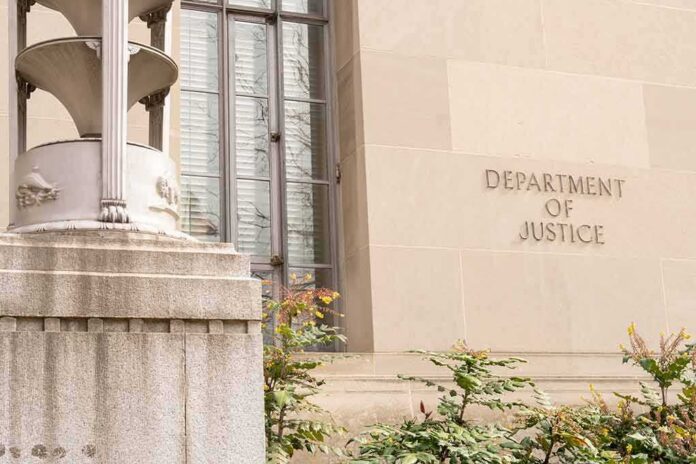
Despite two high-profile resignations, the Justice Department is still issuing grand-jury subpoenas in its “grand conspiracy” investigation, signaling the probe remains active.
Story Snapshot
- The Attorney General said the investigation will continue after leadership changes.
- Former Central Intelligence Agency Director John Brennan received a grand-jury subpoena in Florida.
- Lead prosecutor Joseph diGenova resigned amid reported tensions and criticism of the probe’s pace.
- Another prosecutor later left the team, adding to concerns about turmoil.
Justice Department Signals Continuity After Resignations
Attorney General Todd Blanche said the investigations handled by former lead prosecutor Joseph diGenova would continue after his resignation. Blanche told reporters the department does not slow down when an individual leaves and that ongoing matters proceed as normal. His message aims to steady a sensitive investigation touching powerful former officials. Public assurances like this often serve to counter the idea that staffing changes alone can halt a federal probe.
Joseph diGenova, a Trump ally tapped to oversee the inquiry in South Florida, stepped down after a tense period inside the department, according to multiple reports. Media accounts described friction about direction and speed, and portrayed his exit as a jolt to the team. DiGenova confirmed his resignation to news outlets but gave few details about why he left. The move raised questions about who would steer the next steps and how quickly the government would act.
Grand-Jury Activity Underscores Ongoing Work
Court records and reporting show the department is still pursuing testimony. Former Central Intelligence Agency Director John Brennan was subpoenaed to appear before a Florida grand jury in mid-October, days after the leadership change. The timing suggests the grand-jury calendar remains in motion. Federal grand juries can continue their work even when attorneys rotate on or off a case, and new prosecutors can pick up existing plans and deadlines without restarting the process.
Major investigations that involve national security and past government actions are often complex and slow. They can see staff turnover because of workload, strategy disputes, or personal choices. Press coverage of this probe shows two storylines at once: officials emphasize continuity, while other reports highlight strain and delay. Both can be true in practice. A case can advance in court while leaders change on the inside, especially when a grand jury is already hearing matters.
Second Departure Fuels Perception Of Turmoil
Another prominent lawyer working on the same investigation also resigned later in the month, according to detailed reporting on the team’s makeup. That second departure kept the spotlight on management and momentum. Personnel churn in politically charged cases is not new, but it often intensifies public doubt across the spectrum about whether Washington can run tough cases without fear or favor. Each exit feeds a larger belief that insiders protect their own while ordinary people wait for answers.
For many readers, the stakes go beyond one case. Conservatives want accountability for what they view as years of biased investigations. Liberals want guardrails against using federal power to punish rivals. Both groups worry that the system serves elites first. Clear steps, like scheduled grand-jury appearances and transparent statements from top officials, can rebuild some trust. The department’s next visible actions will show whether continuity wins out over churn in this high-impact probe.
Sources:
mediaite.com, cnn.com, abcnews.com, reuters.com, cbsnews.com
© boldfrontnews.com 2026. All rights reserved.