
A gruesome TikTok livestream that left celebrity blogger Perez Hilton covered in blood ended with police backing away from his Miami home before finally rushing him to a hospital — all while millions of Americans again watched a very real mental health crisis play out on their phones.
Story Snapshot
- Perez Hilton appeared to harm himself on a TikTok livestream from his Miami home, prompting multiple 911 calls and a large police response.
- The Miami-Dade County Sheriff’s Office confirmed deputies found him alone, used crisis de-escalation tactics, and then had him transported to a local hospital for medical care.
- Officials treated the situation as a mental health emergency and brought licensed mental health professionals to support his family on scene.
- The original livestream was pulled from TikTok, but graphic clips still spread across social media, raising new worries about how platforms handle shocking real-time self-harm.
A Disturbing Livestream Turns Into a Real-World Emergency
On Tuesday night, viewers watched Perez Hilton on TikTok appearing naked, covered in blood, sliding what looked like a knife across his body while he seemed to cut himself. People in the chat begged him to stop and asked for his phone number so they could call for help. Many then dialed 911, telling dispatchers that someone on a live video looked to be harming himself in real time. Their calls turned a shocking social media moment into a full police and medical response.
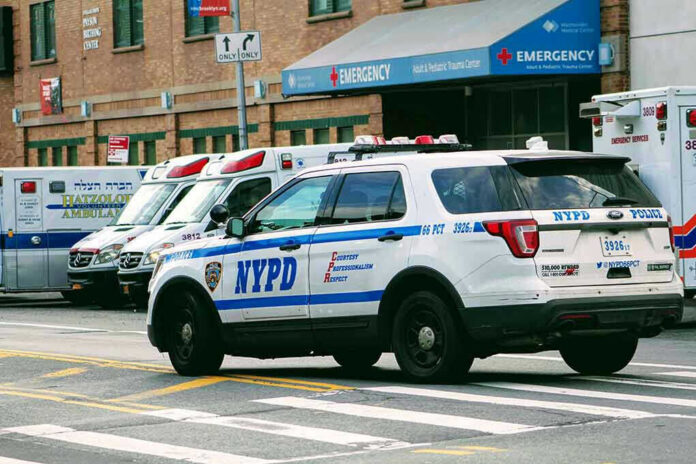
The Miami-Dade County Sheriff’s Office says deputies responded to reports of “an individual who was livestreaming acts of self-harm on social media” and went to Hilton’s Miami-area home. When they arrived, they spoke with family members outside and confirmed Hilton was alone inside the residence. Officials say they initially focused on communication and “tactically disengaged” to avoid making the situation worse, following protocols designed for mental health crises.
Crisis Response, Hospital Transport, and a Call for Privacy
After assessing the situation and using crisis de-escalation tactics, deputies say Hilton was “safely recovered and transported by Miami-Dade Fire Rescue to a local hospital, where he is receiving medical attention.” Local outlets describe him as rushed to a South Florida hospital following what authorities called a mental health emergency. Officials brought licensed mental health professionals to the scene to help his family and to guide the response. Police say there is no criminal investigation tied to the incident at this time.
Hilton’s family and management team confirmed to media that he is receiving medical care and asked the public and press for privacy while they focus on his well-being. They have not shared details about his diagnosis, injuries, or whether he was held under Florida’s Baker Act, which allows short-term involuntary commitment when someone is a danger to themselves or others. That silence follows normal medical privacy rules but also leaves many questions unanswered for viewers who watched the crisis unfold live.
Social Media, Mental Health, and a System Many See as Failing
TikTok has removed the original livestream and the account used in the broadcast, but graphic clips and reposts continue to circulate on other platforms, shaping how most people understand what happened. Because the base video is gone, journalists and the public now rely on screen recordings, platform summaries, and law-enforcement statements to piece together the event. That gap makes it hard to fully verify every detail, yet the emotional impact of the footage is strong enough to drive national outrage and fear.
https://twitter.com/FanReal_Madrid/status/2085230922228498480
This incident fits a growing pattern: a disturbing live video triggers mass alarm, police stage a crisis response, and then very little clear information follows. Authorities frame the situation as a mental health emergency, which rightly aims to protect the person in danger but can also reduce public scrutiny of how well the system worked. Many Americans on both the left and the right see moments like this as proof that our institutions — from social media companies to local law enforcement to hospitals — are struggling to keep up with real-world harm happening online.
What This Says About Power, Privacy, and Public Trust
For frustrated conservatives, this story adds to concerns that high-profile figures and tech platforms play by different rules, with graphic content left up long enough to traumatize viewers before officials act. For frustrated liberals, it highlights the gap between talking about mental health and building systems that truly protect vulnerable people, especially when police are the first responders. Both sides see a familiar pattern: elites and corporations control the flow of information, while ordinary citizens watch crises unfold without answers or real say.
Law-enforcement statements and family comments are consistent on the core facts: a disturbing TikTok livestream, multiple 911 calls, deputies confirming Hilton was alone, and his transport to a hospital for care. Yet the lack of direct detail from Hilton, the removal of the original video, and limited medical information leave a fog around the event. That fog feeds a wider belief that the system is reactive, secretive, and more focused on managing public relations than on giving citizens straight, complete stories about serious emergencies.
Sources:
feedpress.me, nytimes.com, washingtonpost.com, abc7ny.com, youtube.com, cbn.com, cbsnews.com, instagram.com, usatoday.com, x.com, hollywoodreporter.com, wusa9.com, gmanetwork.com
© boldfrontnews.com 2026. All rights reserved.