

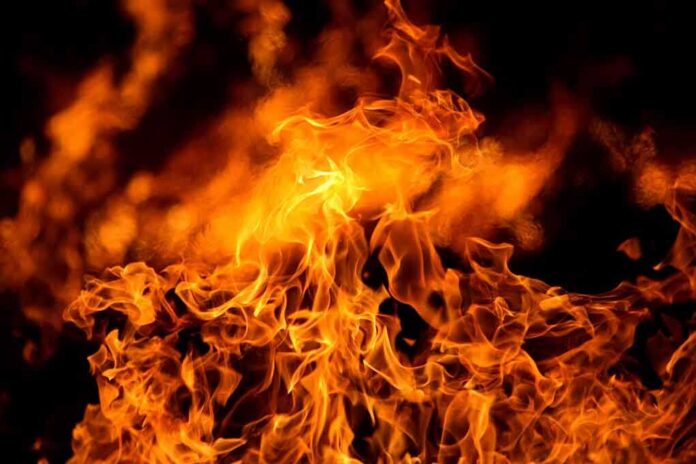
Springs Fire explodes to over 4,000 acres in hours, forcing thousands from homes in California’s fire-prone terrain and exposing persistent failures in state land management.
Story Snapshot
- Springs Fire in Moreno Valley grew from 50 acres at 11 a.m. to 4,000+ acres by afternoon on April 3, 2026, driven by 30+ mph winds and dry brush.
- Mandatory evacuations ordered for thousands as spot fires threaten neighborhoods; 0% containment amid steep terrain challenges.
- Firefighters rely on hand crews and air drops since trucks cannot access hills; residents improvise defenses like using pool water.
- Concurrent Crown Fire in Acton highlights intense early 2026 SoCal fire season despite recent rains leaving brush flammable.
Explosive Growth Timeline
The Springs Fire ignited around 11:00 a.m. on April 3, 2026, as a vegetation fire off Gilman Springs Road in Riverside County, starting at 50 acres. By 11:30-12:00 p.m., it surged to 1,000-1,500 acres, prompting initial evacuation warnings. Afternoon updates showed explosion to 3,500-4,000+ acres, with Sky Fox chopper footage capturing fast-moving flames and dark smoke plumes. Winds exceeding 30 mph gusts fanned embers, igniting spot fires in backyards near Moreno Valley homes. This rapid progression underscores vulnerabilities in dry, hilly brushlands.
Challenges for Firefighters and Evacuations
Steep, rocky terrain in Moreno Valley’s foothills blocked fire truck access, forcing firefighters to deploy hand crews on the ground and helicopters for water drops. Air tankers supported efforts, but 0% containment persisted as winds pushed flames uphill toward populated areas. Riverside County officials issued mandatory evacuation orders for thousands, urging residents to leave immediately with statements like “you must get out now.” Dark, flat smoke signaled intense burning nearby, complicating ground operations and air quality.
Resident Impacts and Local Response
Moreno Valley residents packed valuables amid chaos, while some stayed to defend properties, including one man scooping pool water onto encroaching brush. Spot fires popped in backyards, heightening threats to homes despite orders to evacuate. Aerial views from news choppers like Sky Fox revealed flames advancing through dense, dry vegetation, shorter from recent rains but still highly flammable. Local authorities coordinated with incident commanders to expand evacuations as the fire dominated coverage over the simultaneous Crown Fire in Acton.
Broader Fire Season Concerns
Southern California’s 2026 fire season opened fiercely, with the Springs Fire exemplifying risks from Santa Ana winds, drought-prone conditions, and uncleared brush. Experts note wind-driven smoke and embers create widespread spot fires, straining resources across multiple blazes. Short-term disruptions include displacement for thousands, property losses, and smoke hazards; long-term effects involve scorched landscapes raising erosion risks. This event pressures state agencies on prevention, echoing conservative calls for better land management over endless spending elsewhere.
Sources: