

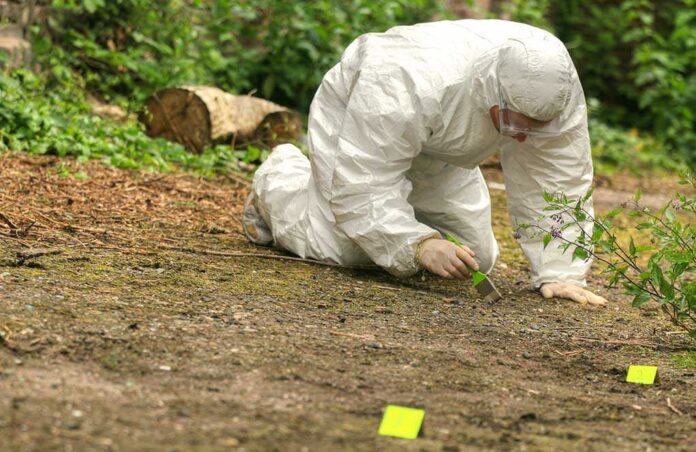
A flesh‑eating livestock parasite once eradicated from America is back in Texas, testing our border security and our food system all at once.
Story Snapshot
- The U.S. Department of Agriculture confirmed New World screwworm in a Texas calf, a pest that eats living flesh and can kill cattle quickly[1][6].
- Experts warn Texas is highly suitable for this parasite, making the agricultural and economic risk very high if it spreads[2].
- Federal leaders are using sterile‑fly releases, animal movement controls, and surveillance, but past critics say bureaucrats move “slow” on rural threats[5].
- Human risk is still low, yet ranchers face real costs and must step up wound care, inspection, and fast reporting to stop an outbreak[3][20].
A Deadly Parasite Returns To America’s Cattle Country
Federal officials now confirm what Texas ranchers have feared for years: the New World screwworm parasite has crossed our border and infected a young calf in Zavala County, Texas[1]. This pest is no ordinary fly. Its larvae burrow into the flesh of living animals and eat healthy tissue, causing deep, foul‑smelling wounds and often death if they are not treated quickly[6][20]. For cattle producers already squeezed by inflation and high feed costs, this is one more attack on the backbone of America’s food supply.
The New World screwworm was once one of the most destructive livestock parasites in the Western Hemisphere, until the United States led a major eradication campaign using sterile insects in the mid‑1900s[8][21]. That effort was so successful that the government declared the country free of local screwworms by the late 1960s[21]. Now, after outbreaks spread north through Central America and Mexico since 2023, the pest has been detected again on American soil, proving that weak border controls and growing global travel can reopen doors we thought were closed for good[1][18].
How Screwworm Threatens Ranches, Wildlife, And Rural Economies
Scientists describe the New World screwworm as a “devastating pest” because it can infest nearly any warm‑blooded animal, from cattle and horses to wildlife, pets, and, in rare cases, people[6][18]. Female flies lay eggs in fresh wounds, including branding marks, castration cuts, tick bites, or even scratches from barbed wire[18][20]. Within days, hundreds of larvae may hatch and tunnel deeper into the tissue, expanding the wound and drawing more flies. Untreated animals suffer severe pain, tissue destruction, infections, and often die within about 10 days[1][18][20].
The economic stakes are huge. Texas A&M experts estimate that if screwworm becomes established in Texas, it could cost about $2.1 billion to the cattle industry and $9 billion to hunting and wildlife businesses in that state alone[12]. A recent scientific risk study found that Texas has some of the highest predicted suitability for screwworm, due to its climate and dense livestock populations, and warned that the “epidemiological and economic risk for this region is very high”[2]. For rural families, that kind of hit would mean fewer jobs, shuttered operations, and even higher prices at the grocery store.
What Washington And Austin Are Doing — And Where Ranchers Come In
The U.S. Department of Agriculture’s Animal and Plant Health Inspection Service says it is leading a “One Health” national response that includes sterile‑fly releases, animal movement controls, and stepped‑up surveillance in affected regions[1][3][7]. In recent years the agency even began building a new sterile screwworm production facility in Texas to support these efforts[3]. When the Texas calf case was confirmed, officials quickly started deploying millions of sterile flies so they would mate with wild screwworms and block them from reproducing, a method that helped wipe out the pest decades ago[2][21].
Texas regulators and university experts are telling ranchers and landowners they are a critical line of defense. Guidance from the Texas Animal Health Commission and Texas A&M calls for regular inspection of livestock, especially around navels, ears, branding sites, and any open wound, watching for foul odors, enlarged lesions, and visible maggots[4][8][20]. Any suspected case should be isolated right away, not moved, and reported to a veterinarian and state or federal animal health officials for lab confirmation and treatment[4][8]. That “see something, say something” approach is the only way to catch new cases early and keep this parasite from taking root again.
Human Risk Low For Now, But Food And Freedom Still At Stake
Public‑health agencies stress that most Americans are not in personal danger right now. The Centers for Disease Control and Prevention reports no locally acquired human screwworm cases in the United States and says the risk of infestation in people remains low and is tied mainly to areas where the flies are active[3][14]. The U.S. Department of Agriculture also notes that screwworms do not infest meat, fruits, or vegetables, and that the current U.S. food supply remains safe thanks to inspection rules already in place[1][7][17]. For citizens, the main personal protection steps are simple: keep wounds clean and covered, use basic insect precautions when traveling, and seek fast medical care if maggots are ever seen in a wound[3][13].
After being previously eradicated in the U.S. in the 1960s, the destructive livestock pest known as New World screwworm was discovered in a calf in Zavala County in the first week of June. Since then, 14 more domestic cases have been confirmed. https://t.co/bmWtfgqPZ0
— The Texan (@TheTexanNews) June 22, 2026
Low human risk does not mean low concern. History shows that once screwworm populations establish in suitable areas, they can expand rapidly, hammering livestock and wildlife and forcing costly government interventions[3][18][24]. For conservatives who value secure borders, strong rural economies, and limited but effective government, the message is clear. Washington can help with sterile flies and surveillance, but it is our ranchers, veterinarians, and local officials who will decide whether this reemergence becomes a brief scare or a long, expensive fight. Vigilance on the land today protects both our dinner tables and our freedoms tomorrow.
Sources:
[1] Web – The New World screwworm has returned to the U.S. Now what?
[2] Web – USDA Confirms New World Screwworm in Texas
[3] YouTube – Governor Abbott and USDA Secretary Rollins announce escalated …
[4] Web – New World Screwworm Outbreak – CDC
[5] Web – New World Screwworms – Texas Animal Health Commission
[6] Web – New World screwworm spreads in U.S., USDA leaders respond
[7] Web – Commissioner Miller: First Suspected New World Screwworm Case …
[8] Web – Screwworm.gov | Unified Government Response To Protect the …
[12] Web – Five cases of New World screwworm have now been … – Instagram
[13] Web – What is the New World screwworm, and why does it matter to Texas?
[14] Web – New World Screwworm Outbreak Moves into Northern Mexico – KDHE
[17] Web – Five cases of New World screwworm have now been confirmed in …
[18] Web – DSHS provides precautions following animal New World screwworm …
[20] Web – Cochliomyia hominivorax, New World Screwworm Fly (Diptera
[21] Web – New World screwworm fact sheet
[24] Web – The reemergence of the New World screwworm and its potential …
© boldfrontnews.com 2026. All rights reserved.