

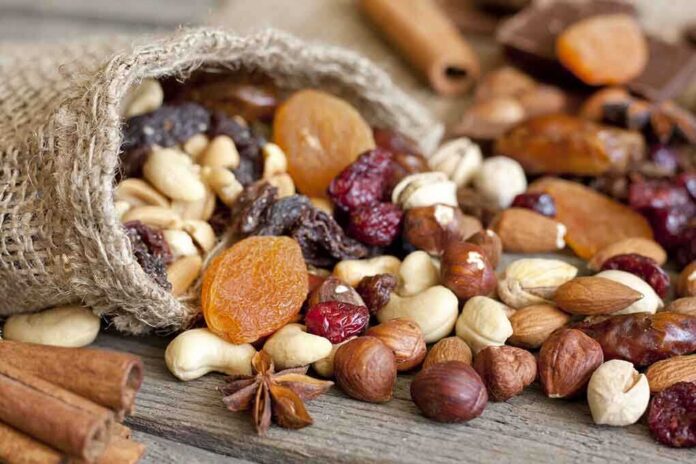
A simple daily snacking habit involving nuts could dramatically slash your bad cholesterol levels by up to 10 percent, according to groundbreaking new research that challenges everything we thought we knew about between-meal eating.
Story Highlights
- New study reveals strategic snacking can lower LDL cholesterol by significant margins
- Nuts emerge as the cholesterol-fighting superstar among snack options
- Research contradicts traditional advice about avoiding snacks for heart health
- Simple dietary changes show promise as alternative to prescription medications
The Snacking Revolution That’s Rewriting Heart Health Rules
For decades, nutritionists preached the gospel of three square meals and warned against snacking as a path to poor health. This new research turns that conventional wisdom on its head. The study demonstrates that the right snacks, consumed strategically throughout the day, can actively combat one of America’s most pervasive health threats: high cholesterol.
The implications extend far beyond individual health choices. With nearly 40 percent of American adults struggling with high cholesterol, and prescription medications costing billions annually, this research offers hope for a simpler, more accessible solution. The study’s methodology involved tracking participants who incorporated specific snacking patterns into their daily routines over extended periods.
Nuts Emerge as Nature’s Cholesterol Medicine
Among all snack options tested, tree nuts demonstrated the most dramatic impact on cholesterol reduction. Almonds, walnuts, and pistachios led the charge, with participants showing measurable improvements in their lipid profiles within weeks. The mechanism appears linked to the nuts’ unique combination of healthy fats, fiber, and plant compounds that actively interfere with cholesterol absorption.
What makes this discovery particularly compelling is its simplicity. Rather than requiring dramatic lifestyle overhauls or expensive supplements, the research suggests that substituting just one daily snack with a handful of nuts can trigger meaningful cardiovascular improvements. The study controlled for other dietary factors, ensuring that the cholesterol benefits stemmed specifically from the strategic snacking intervention.
Beyond Nuts: The Broader Snacking Strategy
While nuts claimed the spotlight, other snack categories showed promise in the cholesterol-fighting arena. Oat-based snacks, fresh fruits with high soluble fiber content, and certain vegetable combinations also demonstrated measurable benefits. The key appears to be choosing snacks rich in compounds that actively combat cholesterol rather than simply avoiding harmful options.
The research challenges the one-size-fits-all approach to heart-healthy eating. Instead of blanket restrictions on between-meal consumption, the study advocates for informed snack selection as an active component of cholesterol management. Participants who embraced this strategic approach saw improvements that rivaled those achieved through more intensive dietary interventions.
Real-World Applications and Future Implications
The practical applications of this research extend beyond individual health decisions into broader public health policy. Healthcare providers are already beginning to incorporate strategic snacking recommendations into cholesterol management protocols. The approach offers particular appeal for patients who struggle with medication compliance or experience side effects from traditional cholesterol-lowering drugs.
However, researchers emphasize that snacking for cholesterol control requires the same precision as any medical intervention. Random snacking won’t deliver the documented benefits. The study’s success depended on specific portion sizes, timing, and snack selections that maximized cholesterol-fighting potential while maintaining overall caloric balance.
Sources:
James Hutton Institute – Stakeholder Analysis
Boreal IS – What is Stakeholder Analysis
Product School – Stakeholder Analysis
Simply Stakeholders – Stakeholder Analysis Guide