
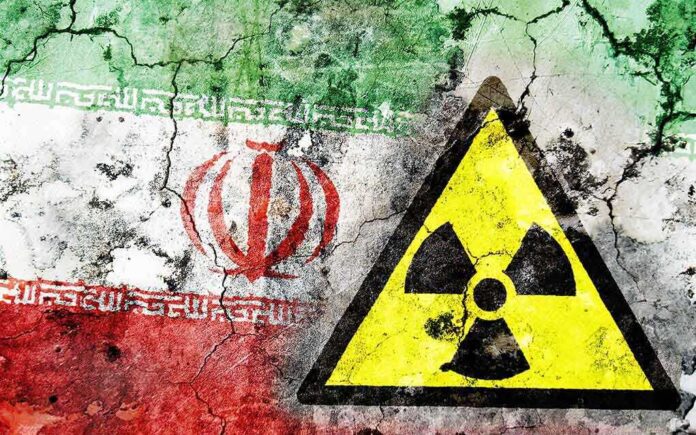
A new report reveals Iran’s Supreme Leader Khamenei has retreated to a fortified underground bunker, sparking concerns about regional stability and U.S. actions.
Story Snapshot
- Khamenei is reportedly hiding in a bunker in Lavizan, Tehran, fearing U.S. strikes.
- The bunker, built by the IRGC, is 90-100 meters deep and safer than nuclear facilities.
- Ongoing Israeli strikes and a potential U.S. deadline add to regional tensions.
Khamenei’s Bunker Retreat
Iran’s Supreme Leader, Ali Khamenei, reportedly relocated to a fortified underground bunker in Lavizan, northeastern Tehran, amid fears of a U.S. strike under President Trump and ongoing Israeli attacks. The bunker, built by the IRGC, is said to be 90-100 meters deep, offering more security than Iran’s Fordow nuclear facility. This strategic move highlights the regime’s vulnerability and growing tensions in the region.
The bunker is part of a series of secure facilities constructed by the IRGC to protect Iran’s leadership during times of crisis. Khamenei’s decision to move underground comes after increased Israeli strikes on Tehran and a looming U.S. deadline for Iran to halt its uranium enrichment program. This escalation follows years of shadow wars between Iran and Israel, with both nations engaging in retaliatory actions.
US and Israel’s Strategic Pressure
The United States, under President Trump, has intensified its stance against Iran, demanding the dismantling of its nuclear program. This pressure is compounded by Israel’s Operation Rising Lion, which targets Iran’s nuclear sites while avoiding direct attacks on Khamenei. Israeli Prime Minister Benjamin Netanyahu has emphasized the need to halt Iran’s nuclear ambitions without regime change, aligning with U.S. goals of neutralizing potential threats.
Amid these developments, Khamenei’s sons have reportedly taken on more significant roles within the regime, suggesting a potential dynastic shift in leadership. This move could entrench hardline policies and continue Iran’s nuclear pursuits, further complicating international diplomatic efforts.
Regional and Global Implications
The relocation of Iran’s supreme leader to an underground bunker underscores the heightened state of alert within the regime. It also raises concerns about the potential for an all-out conflict if the United States or Israel targets Khamenei directly. Iranian officials have warned that any attack on Khamenei would trigger a declaration of jihad, escalating tensions further.
The situation has also strained Iran’s relations with regional allies and global powers, with talks between Iran and the U.S. being canceled. Analysts suggest that ongoing military operations, combined with internal regime shifts, could destabilize the region and impact global security dynamics.
Sources:
Information about Khamenei’s hidden bunker SPREAD
Khamenei and his family hiding in bunker north of Tehran, sources say