

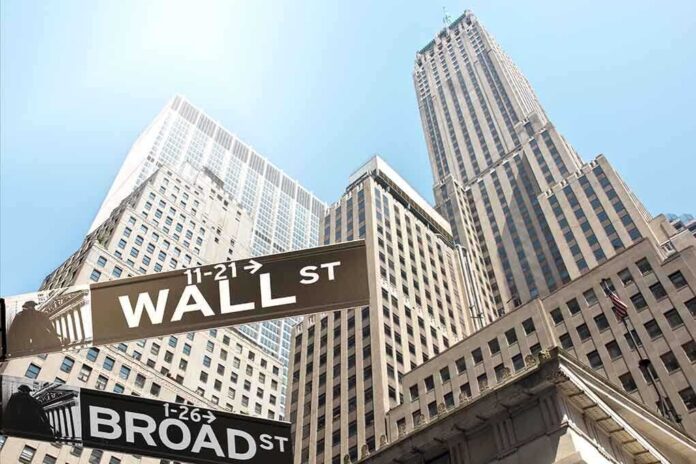
Foreign fraudsters exploited regulatory gaps to siphon $211 million from U.S. investors, raising urgent questions about the security and integrity of our markets.
Story Snapshot
- A Hong Kong businessman and co-conspirators were indicted for orchestrating a $211 million securities fraud targeting American investors.
- False SEC filings and deceptive social media campaigns promoted Chinese stocks on NASDAQ.
- Rampant cross-border fraud persists, exploiting loopholes and undermining U.S. market trust.
- Federal authorities have intensified enforcement, but foreign actors remain difficult to prosecute.
Massive Cross-Border Fraud Targets U.S. Investors
Federal prosecutors disclosed that a Hong Kong businessman was indicted by a Washington, D.C. grand jury for masterminding a sophisticated securities fraud scheme. The defendant and his associates allegedly filed deceptive investment adviser forms with the SEC for at least ten shell companies. These entities promoted stocks of Chinese firms listed on NASDAQ, misleading retail investors through coordinated social media and WhatsApp campaigns. As unsuspecting Americans bought these stocks, foreign brokerage accounts dumped shares, generating an estimated $211 million in illicit proceeds. This scheme highlights the vulnerabilities in current regulatory systems and the risks posed by foreign actors operating in U.S. markets.
Hong Kong Man Indicted in Alleged SEC Filing Fraud Linked to $211 Million Stock Dump https://t.co/h27pEUR9Q9
— Norman Firebaugh (@FirebaughNorman) November 17, 2025
Authorities confirmed the indictment was returned on November 13, 2025, with public statements shortly after. The Department of Justice and SEC emphasized the gravity of the crime, noting the widespread impact on retail investors and the integrity of U.S. financial markets. The SEC Inspector General remarked that the public depends on the accuracy of SEC filings, pledging to pursue both domestic and foreign actors undermining market integrity. Charges include conspiracy to commit securities fraud and making material misstatements in official filings, underlining the broad reach of this criminal operation.
Manipulation via Social Media and Shell Entities
The fraudulent scheme leveraged both false SEC filings and aggressive social media promotions to artificially inflate stock prices. At least ten sham entities were registered deceptively as investment advisers, creating a façade of legitimacy for targeted Chinese companies. Promoters used encrypted messaging apps and social platforms to spread misleading information, driving up demand among retail investors. Once prices soared, the perpetrators sold their holdings through foreign brokerage accounts, resulting in steep losses for ordinary Americans. This abuse of U.S. regulatory gaps underscores the need for robust gatekeeping and transparency, especially when foreign actors exploit digital tools to manipulate markets remotely.
The ongoing proliferation of Chinese companies on American exchanges via reverse mergers and shell structures exacerbates these risks. Previous SEC actions against similar schemes reveal a pattern of pump-and-dump tactics and inadequate reporting by brokers. Despite stepped-up enforcement, complex cross-border relationships and technological sophistication make it difficult for authorities to track and prosecute foreign-based fraudsters swiftly. Legal experts point out the urgent need for international cooperation and stronger oversight to prevent repeat incidents and restore investor confidence.
Federal Enforcement Under Trump: Strengthening Market Integrity
Since President Trump’s return to office, the administration has prioritized defending American investors and tightening controls on foreign market manipulation. Recent executive orders and DOJ initiatives focus on closing regulatory loopholes and bolstering enforcement against cross-border securities fraud. The administration’s rollback of burdensome regulations and push for transparency aims to safeguard Americans’ financial interests and uphold constitutional protections against foreign interference. Trump-era policies favor aggressive prosecution of fraud, the removal of compromised gatekeepers, and heightened scrutiny of foreign issuers seeking access to U.S. capital markets.
Legal analysts and industry experts agree that the indictment marks a watershed moment in the fight against international securities fraud. Enhanced due diligence requirements and cooperation with global regulators are deemed essential to defend conservative values of market integrity, property rights, and individual liberty. While retail investors remain at risk from sophisticated foreign schemes, the administration’s response signals a renewed commitment to protecting Main Street from Wall Street manipulation and restoring trust in the U.S. financial system.
Moving forward, regulatory reforms and vigilant enforcement will be critical in deterring future abuse. The indictment serves as a stark warning: foreign actors exploiting American markets will face decisive action. Conservative Americans should demand continued vigilance from their leaders to prevent erosion of financial security, defend free enterprise, and ensure that the interests of American families are never sacrificed to globalist schemes or unchecked government overreach.
Sources:
Hong Kong Man Indicted in Alleged SEC Filing Fraud Linked to $211 Million Stock Dump